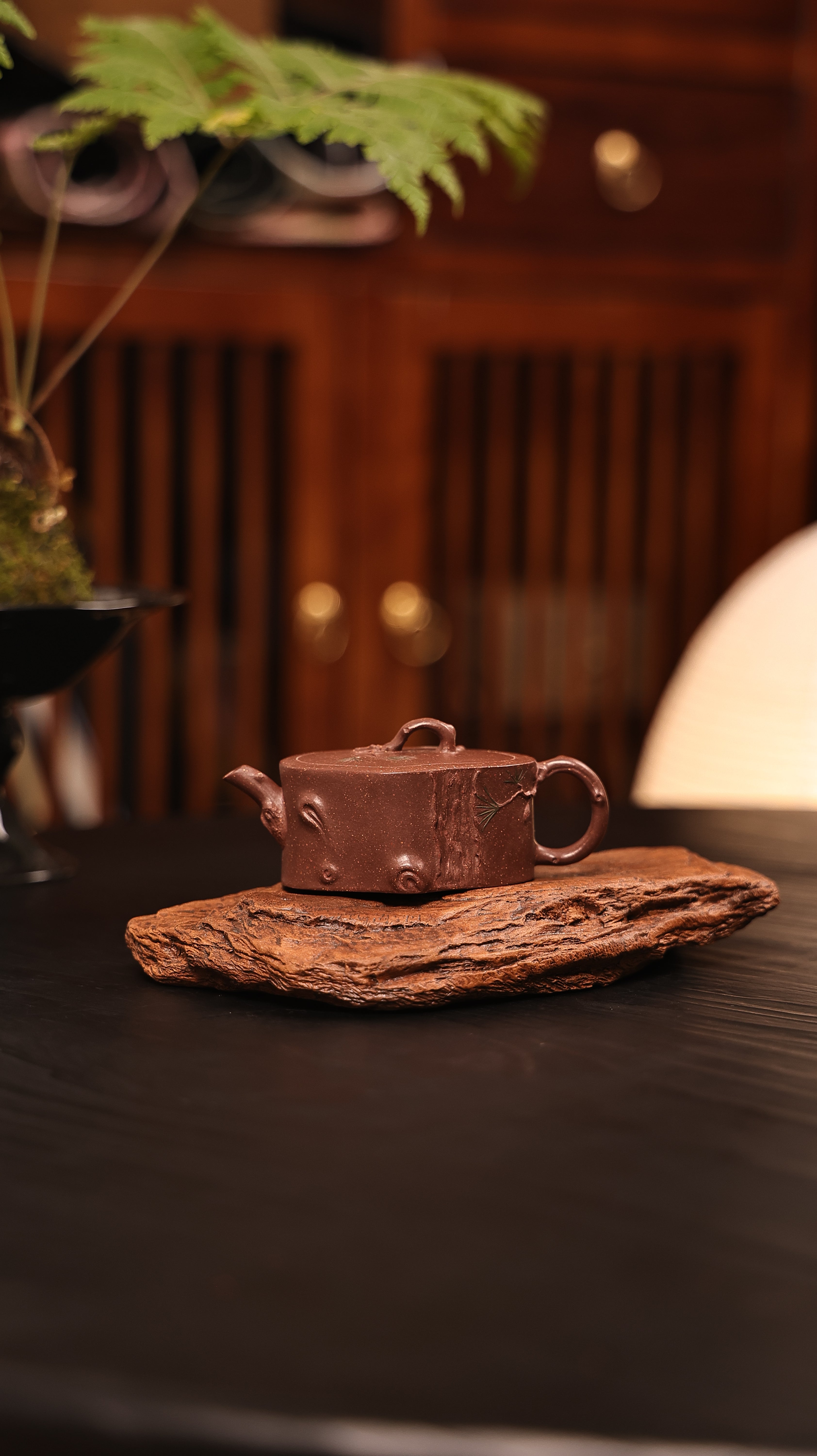
attention grabbing artisan Zisha tea vessel?
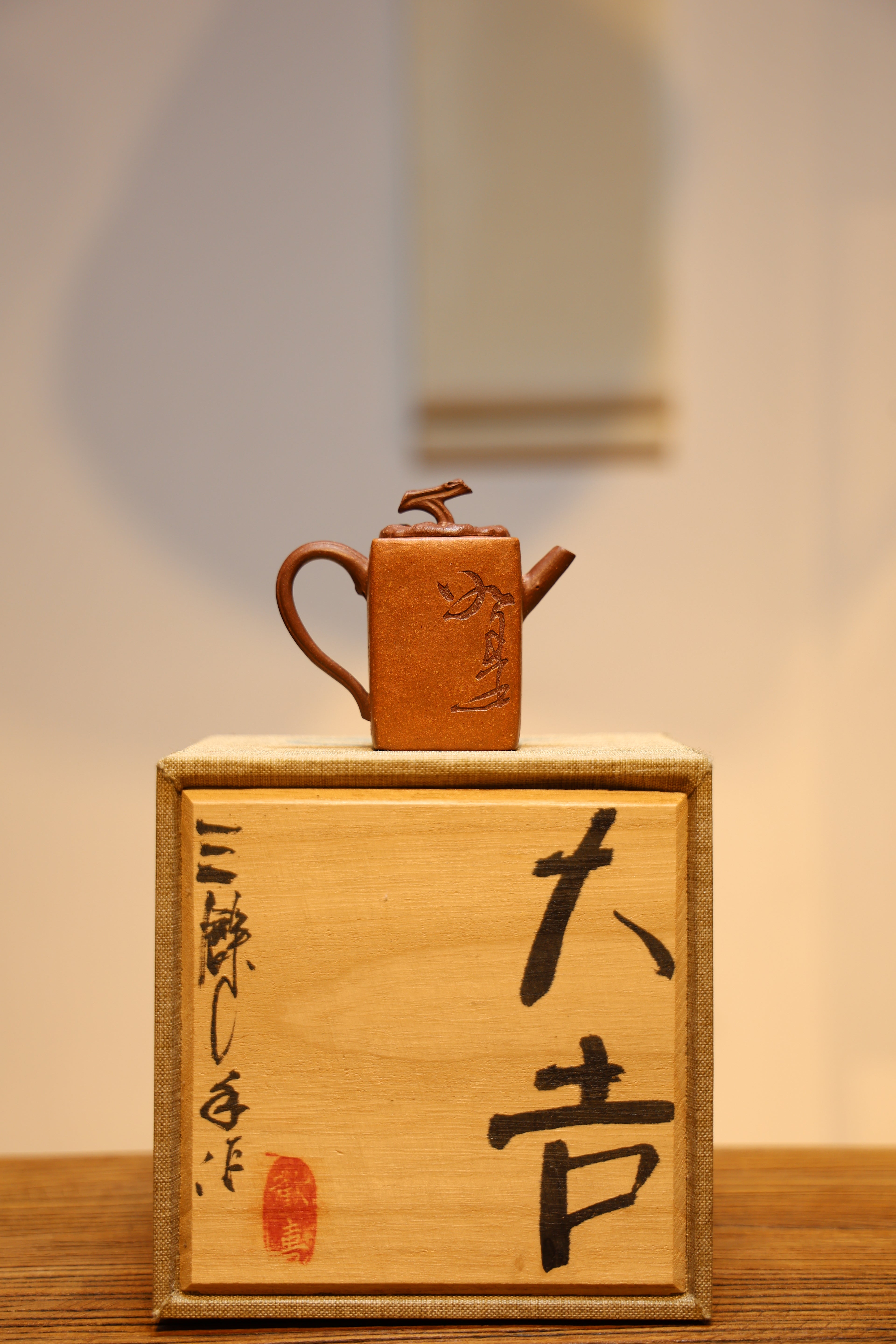
Opening this extensive survey regarding Ising Tzu-sa teapots presents a captivating combination between skill together with utility.
宜兴 紫砂 ceramic vessels enjoy a exceptional charm among collectors around the planet. Those extraordinary clay pots, produced from the specific Yixing location close to Jiangsu administration, China, stand as more than just brewing instruments; they function as works artistic beauty and cherished significance. Distinct finely sorted clay, known referred to as Zisha, imparts a delicate flavor upon the tea, and the intricate designs, often casting traditional Chinese elements, enhance their intrinsic value. Possessing a genuine Yixing Zisha teapot presents a gratifying journey, demanding careful inspection and an cognizance of the different factors influencing the specialness.
Examining Yixing Clay Pots
Issing earthenware pots boast a storied past deeply interwoven with Chinese traditions. Originating in Yixing, Jiangsu area, these pots are crafted from a unique, porous purple terracotta found only in that particular location. Their progression began during the Ming period, with master creators refining the skills over generations. Assorted types can be Zisha Teapot seen, including the classic Hexiang (resembling crab shells), Zhuni (red-brown hue), and Duan Ni (stone-studded) – each with distinctive features. The significance of an Yixing pot isn't solely based on its size or trim, but also on the maker’s reputation, the clay's quality, and the container’s age and condition. Enthusiasts often seek out older examples, believing they retain the taste of the tisane brewed within them over time, further adding to their desirability.- Heritage Vessels
- Mahogany Vessels
- Stony Vessels
Zisha Teapot Mastery: Expertise & Processes
Unique crafting of Zisha teapots represents a climax of Chinese ceramic art. Expert artisans employ classic techniques, often passed down through lineages, to unlock the full expression of this unique clay. Methods involve meticulous sculpting by hand, often combined with the binding method, followed by precise baking at incredibly extreme temperatures in wood-fired kilns. Illustrating is equally crucial; potters utilize native clay colors and may incorporate embossing work to depict intricate scenes or patterns, demonstrating a profound knowledge of the material’s aspects and energy. The final teapot isn't merely a vessel for tea, but a testament to a profound cultural background.
Chinese Ceramics: Unique Presentation to 宜兴 Tz'u Sha
Examining the world of Classical teapots frequently initiates with Yixing Zisha. These particular clay brewing tools are crafted from a unique type of clay extracted only in the Yixing region of the Jiangsu zone province. Noted for its typical reddish-purple hue and high-quality aspects, Zisha clay provides a refined flavor to the tea and matures with age, forming into a cherished collectible. Amassing Yixing Zisha earthenware is more than just retaining a gorgeous object; it’s a tribute of tradition and craftsmanship.
Considering such Clay Pottery: Validity & Increase
Exploring the domain of Yixing Zisha ceramics can be utterly worthwhile, but involves a discerning awareness. Sincerity is fundamental; various forgeries are found, commonly cleverly manufactured. Informing oneself about conventional baking processes, unique clay characteristics, and the stamps of trusted potters is completely vital. On top of that, acknowledging the complexities of the rise pattern – influenced by elements such as historical value and the form of the componentry – is key to beneficial purchasing.
- Analyzing firing record.
- Turning to professionals for validation.
- Appraising business movements.
A Process of Brewing with a Ceramic Brewer
This original allure of a Zisha kit lies not just in its exquisite appearance, but also in its illustrious impact on the aroma of the beverage. These vintage clay earthen vessels, sourced from particular regions of China, possess a fundamental porosity that gradually interacts with the moisture and leaves, imbuing the infusion with a nuanced character. Mastering the skill requires a attentive approach, understanding how the substance responds to distinct temperatures and botanical types, ultimately leading to a genuinely rewarding consuming ritual.
Nurturing One's Relic
Proper attention of your Yixing ceramic vessel is necessary to securing its lifespan. These extraordinary teapots, crafted from exceptional Yixing clay, accumulate a patina over periods that elevates their importance. Occasionally rinse the body with soft water, avoiding chemicals, and never use severe scrubbing tools. Occasional gentle rubbing with a silky cloth can assist in wiping away stains. Allow your container to absolutely dry before each serving
Unveiling Yixing: Factors Particular Kettles Symbolize Exclusive
The famous appeal of Yixing teapots derives from the exclusive properties of Zisha clay, mined solely near Yixing, Jiangsu. This distinct clay, consisting of ferruginous ceramic , holds a peculiar combination of elements that, through experience, incorporate the note of the brews it retains. This brings about a distinctive bouquet for each kettle, giving it a significance far transcending its baseline price and assisting to their sought-after status among tea enthusiasts.
Identifying the Optimal Classic Clayware: A Stoneware Outline
Venturing into the world of Purple clay teapots can feel overpowering, but understanding the basics is vital to choosing a beloved piece. This type of clay, sourced chiefly from the Yixing vicinity, Jiangsu, is renowned for its unique porosity and ability to improve the flavor of the tea over time. Appraise the outline, the saturation, and the presentation; a valid Zisha teapot is more than just a jug; it's a handmade piece and a illustration of classic culture. Search for the stamp of the craftswoman for clues to its background and potential importance.