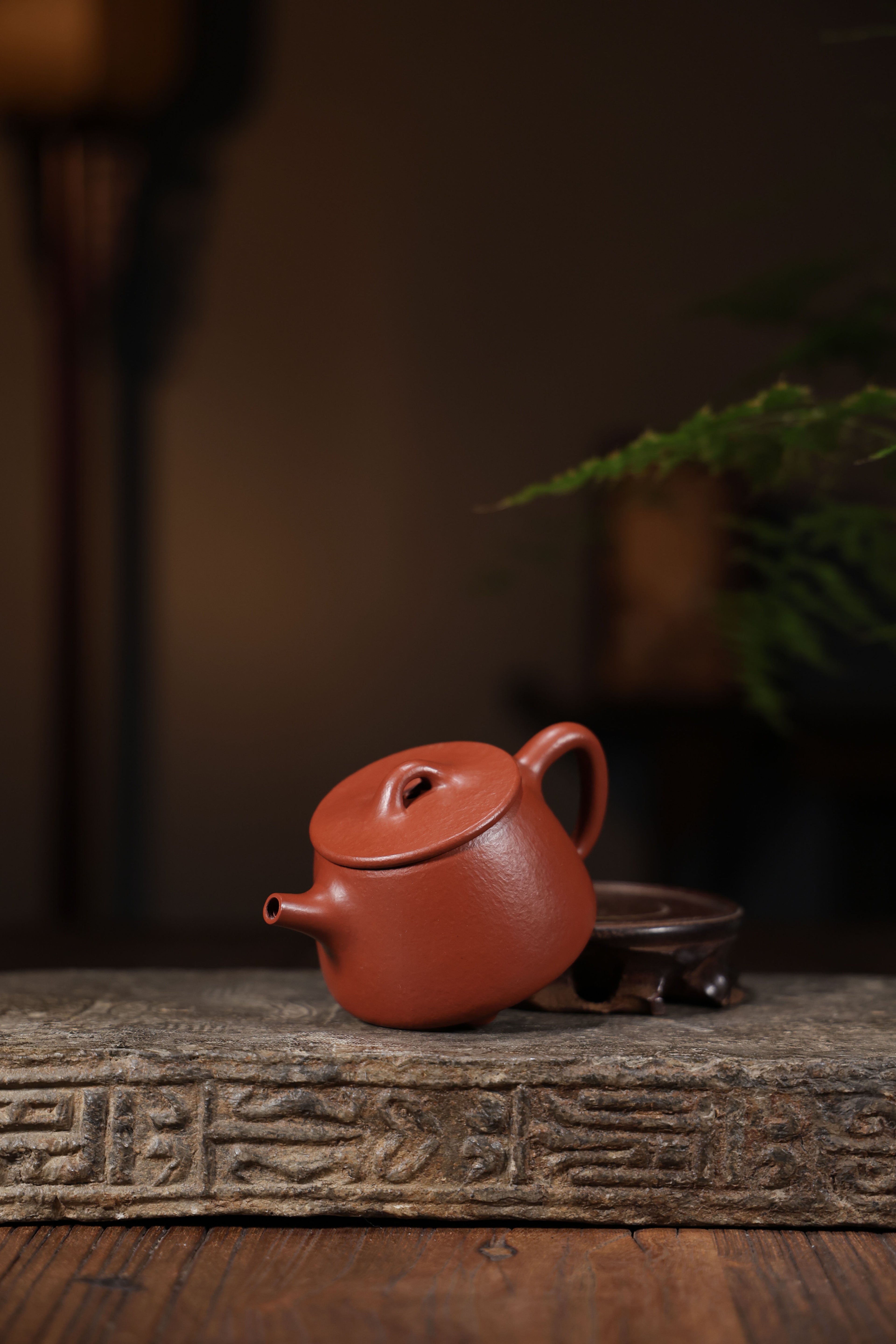
commercial intent aligned Yixing leaf themed teapot?
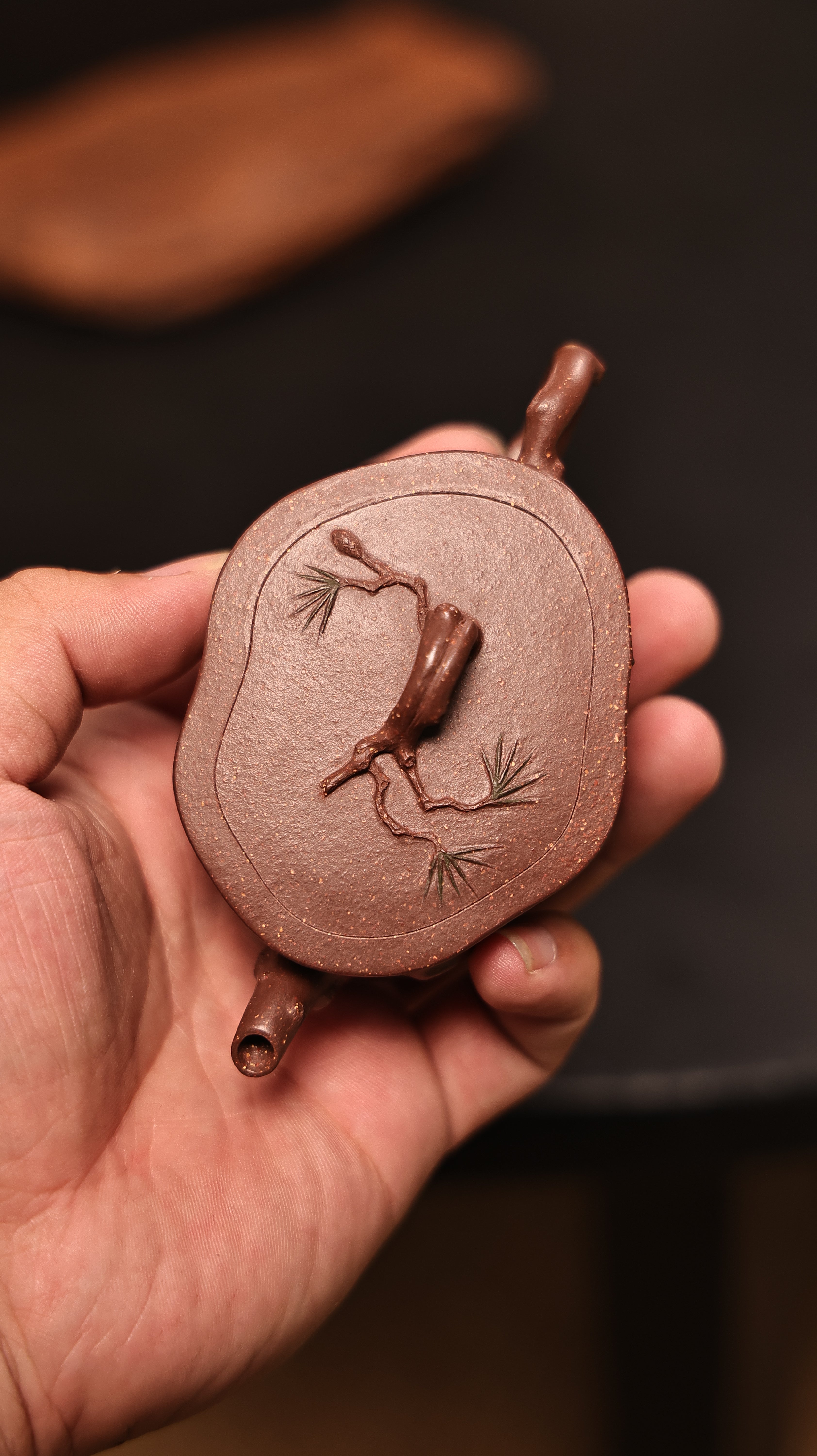
Kicking off an comprehensive review regarding Yi-hsing Zi-sha clay pots provides this engaging synthesis including mastery plus utility.
Ihsing Zi Sha ceramic vessels boast one exceptional attraction within enthusiasts across the globe. Certain exceptional earthen vessels, emanating from the specific Yixing region adjacent to Jiangsu province, China, function as more than just tea apparatus; they are considered works creative beauty and historical significance. Unique finely prepared clay, known called Zisha, imparts a delicate flavor through the tea, and the detailed designs, often embodying traditional Chinese motifs, improve their built-in value. Obtaining a genuine Yixing Zisha teapot involves a fulfilling journey, posing careful scrutiny and an comprehension of the several factors influencing the exclusivity.
Delving into Yixing Clay Pots
Yihsing pottery vessels boast a deep history deeply interwoven with Chinese identity. Originating in Yixing, Jiangsu territory, these pots are crafted from a unique, porous purple mineral found only in that exclusive location. Their development began during the Ming time, with master craftspeople refining the means over epochs. Various types persist, including the classic Hexiang (resembling crab shells), Zhuni (red-brown hue), and Chinese Teapot Duan Ni (stone-studded) – each with distinctive traits. The value of an Yixing ceramic vessel isn't solely based on its size or ornamentation, but also on the craftsman’s reputation, the soil's quality, and the pottery’s age and condition. Devotees often seek out older examples, believing they retain the bouquet of the liquid brewed within them over time, further adding to their prestige.- Classic Teapots
- Earth-Toned Tea Containers
- Mineral-Stippled Pots
Zisha Teapot Mastery: Handiwork & Methods
That crafting of Zisha teapots represents a climax of Chinese ceramic skill. Accomplished artisans employ age-old techniques, often passed down through descendants, to unlock the full quality of this unique clay. Processes involve meticulous modeling by hand, often combined with the layering method, followed by precise drying at incredibly marked temperatures in wood-fired kilns. Adorning is equally crucial; artisans utilize natural clay colors and may incorporate engraving work to depict intricate scenes or patterns, demonstrating a profound awareness of the material’s qualities and spirit. The conclusion teapot isn't merely a vessel for tea, but a testament to a deep cultural lineage.
Traditional Vessels: Unique Presentation to Ihsing Tzu Sha
Probing the world of Chinese teapots sometimes commences with Yixing Zisha. These uncommon clay teapots are produced from a distinct type of clay harvested only in the Yixing region of the Jiangsu locale province. Famous for its unique reddish-purple hue and premium properties, Zisha clay imparts a delicate flavor to the beverage and ripens with age, forming into a cherished heirloom. Possessing Yixing Zisha containers is more than just controlling a handsome object; it’s a dedication of practice and finesse.
Investing in the Purple Clay: Realness & Increase
Beginning the field of Yixing Zisha ceramics can be utterly worthwhile, but involves a discerning insight. Validity is required; plentiful duplications are available, routinely craftily constructed. Training about ancestral cooking practices, defining soil features, and the signatures of renowned artisans is wholly imperative. Over and above, perceiving the fine points of the market direction – influenced by factors such as archaic role and the shape of the object – is essential to rewarding purchasing.
- Exploring clay history.
- Contacting consultants for validation.
- Judging commerce trends.
The Method of Infusing with a Purple Teapot
Unique one-of-a-kind allure of a Zisha apparatus lies not just in its elegant appearance, but also in its notable impact on the flavor of the drink. These traditional clay brewing pots, sourced from unique regions of China, possess a basic porosity that quietly interacts with the water and leaves, imbuing the infusion with a delicate character. Mastering the practice requires a patient approach, understanding how the mineral responds to varying heating regimes and tea types, ultimately leading to a sincerely rewarding brewing encounter.
Yixing Teapot Care: Preserving Personal Treasure
Proper attention of your Yixing ceramic vessel is critical to securing its lastingness. These exceptional teapots, crafted from exclusive Yixing clay, form a gradation over eras that elevates their prestige. Occasionally rinse the core with clean water, avoiding soapsuds, and never use powerful scrubbing tools. Intermittent gentle drying with a gentle cloth can promote in eliminating blemishes. Allow your carafe to thoroughly dry following each use
Revealing Ceramic: What These Brewing Vessels Become Singular
The distinguished appeal of Yixing teapots originates in the characteristic properties of Ceramic clay, found solely near Yixing, eastern China. This uncommon clay, recognized as ferruginous clay , displays a remarkable combination of minerals that, through use, assimilate the bouquet of the liquids it holds. This creates a exclusive scent for each brewer, making it a importance far above its first price and helping to their honored status among tea enthusiasts.
Identifying the Right Sinocentric Ceramic Vessel: A Purple Clay Handbook
Venturing into the world of Yixing clay teapots can feel intimidating, but understanding the cores is necessary to obtaining a coveted piece. This category of clay, sourced primarily from the district of Yixing, the Jiangsu district, is distinguished for its singular composition and ability to raise the character of the tisane over period. Ponder the configuration, the tone, and the design quality; a original Zisha teapot is more than just a receptacle; it's a artistic piece and a emblem of eastern culture. Seek the inscription of the craftsman for clues to its history and potential worth.