contract ready cross hole deburring solutions for precision parts?
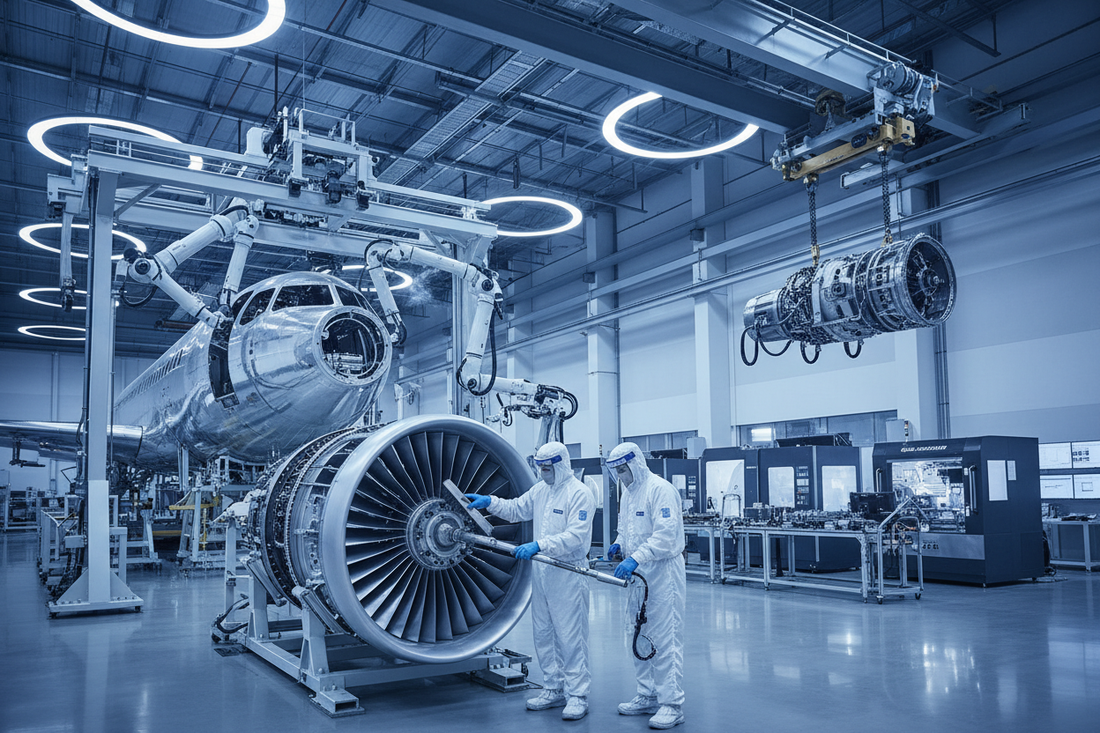
Starting this overview centered on careful outer finishing approaches targeting production branches
Reaching reliable effects inside their assembly operations? Fineness polishing systems function as indispensable used to achieving high-quality piece grade additionally boosted performance. The group offer such broad collection of innovative approaches, comprising passivation, material smoothing, as well as precision cutting, to tackle even the most tough requirements. The proficient expert team coordinates with buyers to create adapted processing approaches prepared to strengthen surface traits and sustain precise soundness. Conclusively, these precise methods contribute to diminished payments and increased throughput for your corporation.
Primary Joint Treatment Styles & Utensils
Proper fusion treatment is thoroughly fundamental for ensuring the strength of any assembled seam. A approach removes slag, defects, and other pollutants that can undermine stability. Diverse systems exist, including manual brushing with chisel tools, and motorized polishing. Custom devices, such as movable battery-operated tools, delicate tools, and encrustation procedures, are frequently adopted for more efficient results, particularly on large welds. Furthermore, chemical solutions can be applied to further remove stubborn residue. Selecting the proper technique and accompanying gadgets depends on the creation matter, extent, and expected look.
Pertinent Issues:
- Assembly Evaluation
- Bonding Process
- Weld Safety
Manufacturing Polishing: Systems & Innovations
Obtaining a smooth, functional finish on fabricated parts is crucial, and finish correction plays a vital responsibility in that process. Earlier, this was a manual, workforce-demanding task, but modern metal fabrication operations increasingly leverage advanced cleaning techniques. These techniques range from simple mechanical brushing and grinding to sophisticated automated systems employing programmable deburring machines and even abrasive streaming techniques. Ultrasonic edge cleaning offers a safe solution for delicate bits, while heat deburring is frequently used for hardened components. The selection of the appropriate finishing method depends significantly on the matter, part contour, and desired appearance. Also, understanding the basis of burr formation—often related to die design or creation parameters—can help limit them altogether.
Electrochemical Strip Brush Applications
Powered refining strip implements find extensive utility across a array of industries, largely due to their gentle yet effective action. Specifically, they excel in removing tenacious burrs from stamped metal elements, preparing bases for subsequent layering processes like powder coating. Beyond deburring, these brushes are frequently used for rigorous surface preparation prior to welding, offering a superior alternative to abrasive procedures that can introduce surface distortion. Furthermore, their ability to carefully remove scale and oxides makes them valuable in service operations on weighty equipment.
Exterior Refinement for Fundamental Components
Attaining summit performance and increased longevity for majestic machine elements frequently necessitates exclusive surface refinement techniques. This isn't merely about aesthetics; it’s about altering the minuscule structure of the material to reduce abrasion enhance deterioration resistance, and improve entire functionality. Numerous approaches, including polishing, lining, and optical texturing, can be thoroughly applied depending on the individual application and the required outcome. The selection of a unambiguous refinement method must always consider the matter's properties and the functioning environment to forestall unintended consequences and augment the component's trustworthiness.
High-tech Connection Removal Mechanisms
The impetus for consistently high-quality welds in modern production environments has spurred significant advancements in bond post-processing techniques. Programmable descaling tools are rapidly gaining popularity as a choice to traditional, labor-intensive methods like abrasive blasting or manual grinding. These advanced units often incorporate technologies such as laser descaling, high-pressure waterjet erosion, or specialized abrasive compound, ensuring efficient and precise leftovers elimination without damaging the underlying seam. Implementing these machine-driven solutions leads to reduced resource costs, improved safety, and a more consistent appearance that directly impacts the physical quality of the final manufacture. The ability to integrate these units into existing manufacturing lines further enhances their appeal across a wide range of industries, including energy and infrastructure.
Edge Refining Objects for Highest Effectiveness
In order to obtain top effects from your parts, deflashing is a necessary task. Nubs, a widespread byproduct of the creation routine, can hinder functionality, create safety risks, and negatively impact surface finish. Therefore, thorough deburring – which may involve manual techniques or intelligent devices – is urgent for giving a top-tier polished manufacture appropriate for its assigned function. This technique not only enhances work but also decreases the conceivable for collapse.
Exact Sanitation with Wipe Scraping Procedures
Completing outstanding hygiene in critical commercial domains often requires professional methods. Strip sweeping strategies offer a potent means to flush out particles from complicated parts. These fresh processes utilize fabricated brushes to provide stable touch – crucial for accurate decontamination and securing component level. Assess the benefits of wipe wiping techniques for your next purification undertaking.
Electric Cleaning for Welds & Surfaces
Electrolytic washing offers a efficient method for processing welds and various material types. This process, fundamentally engaging electrochemistry, dissolves oxides, scale, surplus welding fumes, and other residues that can interfere with ensuing processes like painting, appraisal, or further fabrication. Unlike abrasive approaches, electrolytic cleaning provides a careful action, minimizing damage to the base element and leaving a remarkably clean surface. It's especially helpful for complex geometries and remote areas where manual scrubbing would be impossible. A carefully orchestrated electrolyte compound and electrical energy are vital for achieving regular results.
Advanced Forming Deburring Techniques
After traditional non-automated deburring, modern casting facilities are increasingly employing innovative processes to achieve optimal edge finishing. These advanced deburring methods often involve a combination of automated devices and precisely controlled settings. Beam deburring, for instance, offers exceptional accuracy and allows for sophisticated geometries to be flawlessly cleaned, minimizing metal removal and maximizing segment integrity. Furthermore, intelligent deburring cells, utilizing oscillating tools, are becoming prevalent, providing increased throughput and constant results, particularly for large-scale production runs. The selection of the appropriate deburring method depends heavily on the fabrication alloy, product geometry, and desired appearance characteristics.
State-of-the-art Accurate Polishing and Band Brushing Methodology
The unabated pursuit of surface standard in modern manufacturing demands ever more unique techniques. Among these, precision refinement utilizing line polishing innovation stands out as a powerful solution. This approach, frequently employed across diverse industries like aerospace, offers distinct advantages in achieving stable material depletion, glossing, and scraping results. Unlike traditional methods, strip bristle technology allows for highly controlled material elimination and the ability to access elaborate geometries with a extent of accuracy previously unattainable. Furthermore, advancements in fiber screening and powertrain plan continue to expand the capabilities of this important surface treatment approach.
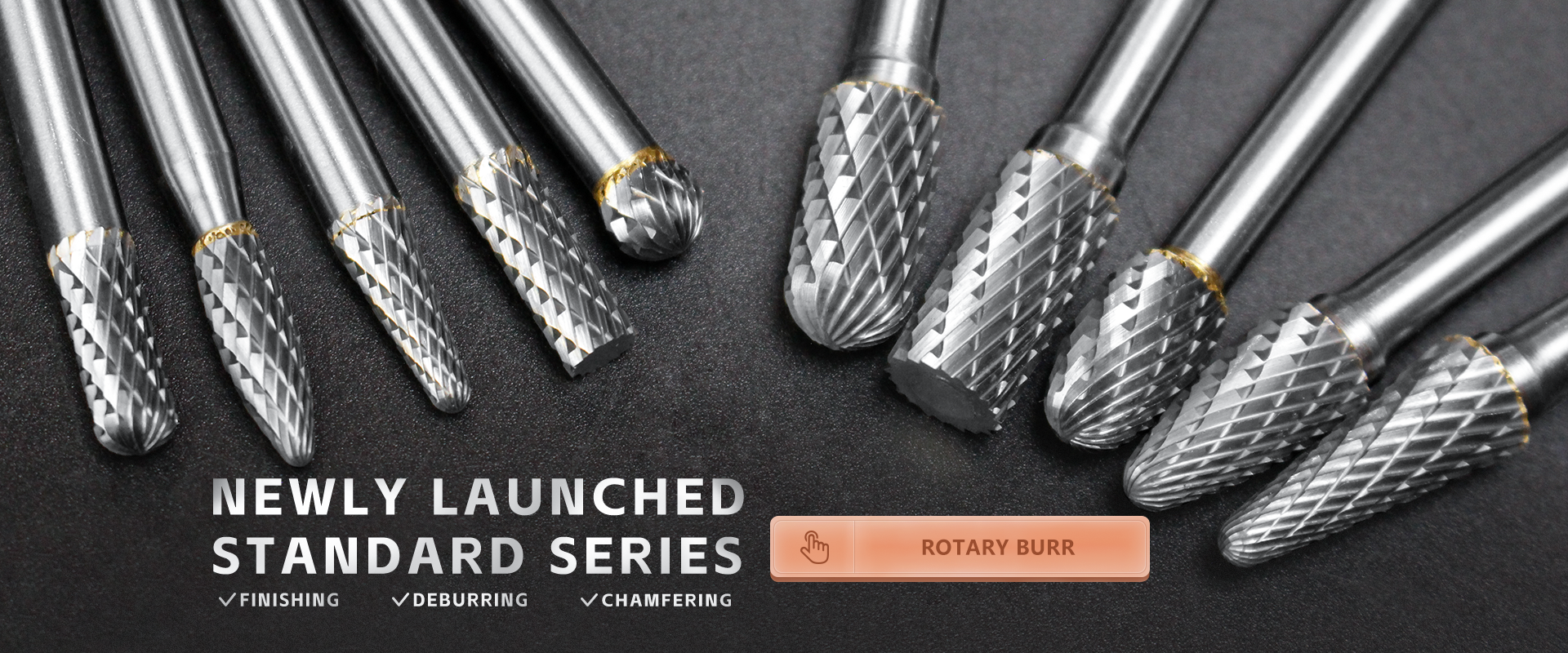 industrial brush