cutting edge integrated control pigging systems in pasteurizers?
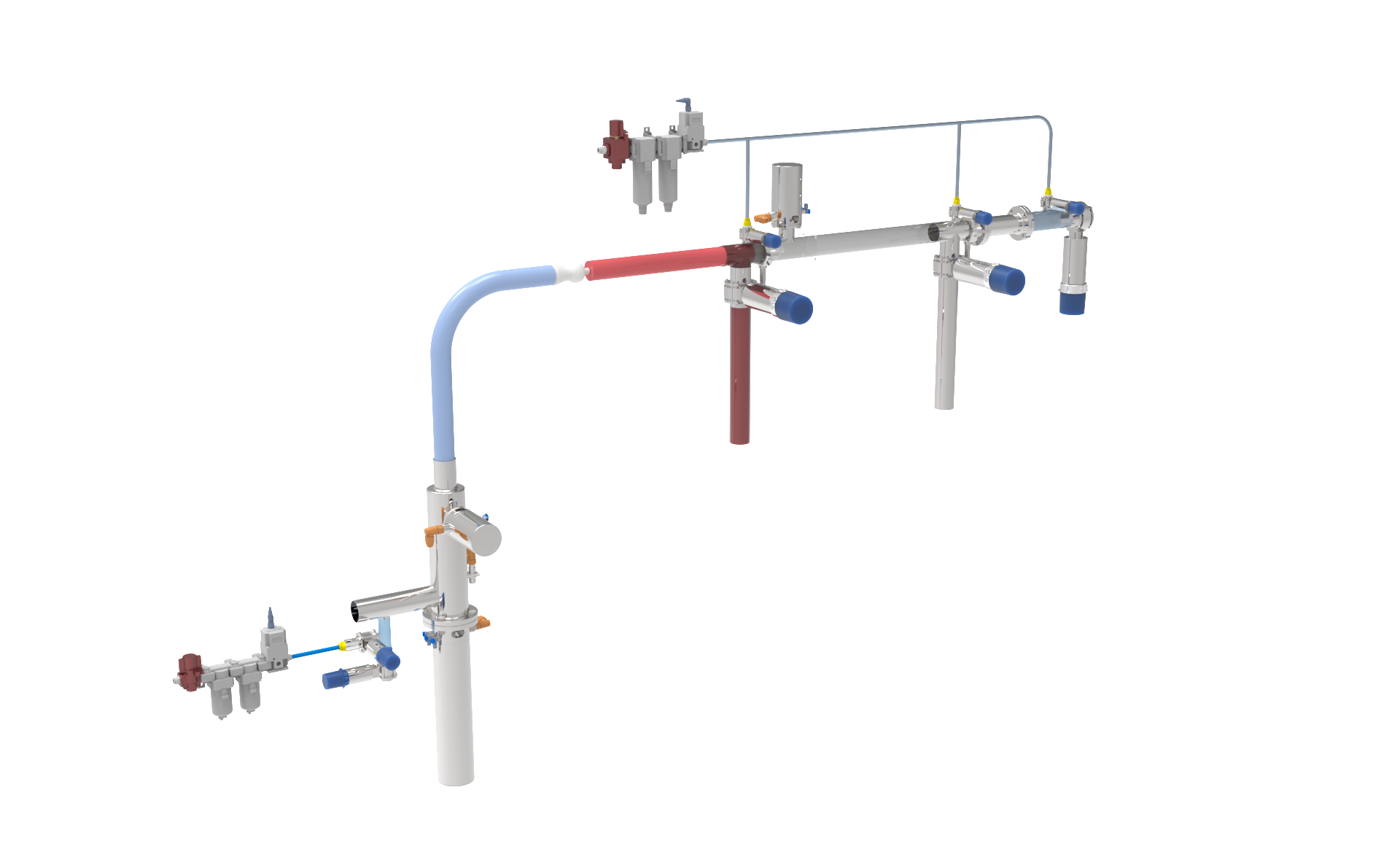
Beginning Sophisticated Pigging Solutions sanitary pigging systems
Sanitary Pigging Systems for Food-Grade Applications
Conducting sterile pipeline strategies provides superior sanitation as well as production quality. This technology incorporate food-contact compliant construction capable of withstanding meticulous maintenance in the course of minimizing contaminant accumulation.
- Advanced engineering incorporate smart hygiene functions, increasing operational efficiency.
- Compliance with regulations is fundamental for any cleaning protocol deployed in culinary industry. Techniques are built to meet rigorous mandates, securing the optimal production standards.
Enhancing Flow Enhancement through Pigging Techniques
Pipeline system pigging devices renders a dynamic strategy for refining system performance. With executing intelligent pig launching and strategic testing programs, engineers can lower service interruptions, raise conduit throughput, and maintain infrastructure durability. Pigging identifies potential challenges such as impediments or degradation but also allows efficient treatment and monitoring practices. This forward-looking channel supervision greatly lowers service charges and fosters the overall reliability of the network.
Safety Enhancement via Pigging in Pet Nutrition
Pigging systems have become required components within the canine and feline food manufacture industry. These systems simplify the safe and efficient handling of feedstocks through pipelines, minimizing mixing hazards. By thoroughly dividing different products or supply sets, pigging systems facilitate protect the highest levels of merit and safety in pet food production.
Moreover, pigging systems offer a collection of benefits, featuring reduced downtime for sterilization and support, improved process efficiency, and low ingredient spillage. The use of pigging systems eventually supports the production of secure, healthy, and reliable pet food.
Critical Design Elements of Sanitary Pigging in Pet Food
Across the creation of pet food, upholding optimal purity is critical. Pigging systems hold key importance in assuring product safety and quality by effectively scouring pipelines between crafting stages. A well-designed pigging system utilizes features that limit contamination risks, strengthen secure cleaning workflows, and block product blending between batches.
- Employing polished textures controls the potential for biofilm development.
- Compounds that are cleanable and abrasion-resistant are vital for maintaining hygiene.
- Secure closures avoids the reverse flow of undesirables during decontamination and product transfer.
Effective pigging planning also boost operational efficiency by curtailing downtime for cleaning. By efficiently eliminating residues and hindering cross-contamination, these systems support to a more steady production process, finally leading to the generation of clean and first-rate pet food.
Pipeline Maintenance with Pigs
Protecting the soundness of tubes is crucial for protected and well-functioning flow of inputs. Pigging systems provide a value-driven solution to maintaining pipelines. A pig, also named a pipeline inspection tool, functions as a high-tech device launched through the pipeline to undertake various actions. Cleaning pigs agitate buildup and contaminants, while inspection pigs are supplied with tools to detect damage in the pipe walls. Regular pigging helps avoid pipeline halt, ensuring safe and reliable service.
- Countless types of pigs serve, each optimized for specific tasks.
- Pigging operations are productive and can be administered efficiently.
- Adopting a pigging program can lengthen the endurance of pipelines and curtail maintenance costs.
Modern Pigging Solutions for Pet Nutrition
Pigging evolves as a significant solution in the pet food industry, ensuring efficient and sanitary production.
Cutting-edge pigging technologies employ sophisticated hardware to thoroughly purify pipelines. This cuts down the risk of hazardous transfer between different pet food formulations, thereby enhancing product safety and quality.
Additionally, advanced pigging technologies offer a range of benefits such as: * Elevated cleaning process capabilities * Decreased inefficiency periods * Heightened sanitation adherence * Limited demand for risky chemicals
The embrace of these technologies underscores the pet food industry's commitment to manufacturing safe and nutritious products for buyers.
Complications and Resolutions in Pigging Systems for Pet Food Production
Pigging systems are crucial in the pet food production process, ensuring efficient handling of products and finished products. However, these systems endure diverse challenges. One common challenge is blockages caused by mass buildup. Resolving this challenge involves implementing pigging processes such as adaptable devices and refining ingredient structures.
Another concern is the threat of contamination. Prevent this, strict cleansing protocols ought to be observed throughout the pigging system. This includes regular scrubbing of pigging tools and implementation of potent cleaning substances. Regular inspections are also significant to locate potential issues early on. By enforcing these solutions, pet food manufacturers can maintain the efficiency and stability of their pigging systems.
Positive Impacts of Pigging Methods on Pet Food
Pigging applications offer a variety of strengths for pet food manufacturers focused on enhance their production processes. These systems operate hydraulic pressure meant to propel the pig, a cleaning device, through the pipeline, reliably removing product residue and contaminants. Therefore, pigging systems facilitate to superior hygiene standards, shrinking the risk of cross-contamination and providing a safer final product for buyers.
- Additionally, pigging systems can amplify production efficiency by reducing downtime for cleaning and maintenance.
- What's more, they help to cut down waste by limiting product loss during pipeline cleaning.
- Moreover, pigging systems can be built to fulfill the specific requirements of different pet food production lines.
Documented Pigging Benefits in Pet Food Manufacturing
Pet food manufacturing field is advancing in efficient and sanitary processes for securing optimal product quality. Pigging systems have turned into a leading solution to meet these demands, offering a dependable method for cleaning and controlling pipelines within pet food plants.
Numerous case studies reveal the performance of implementing pigging systems in various components of pet food production.
- Manufacturers like [Company A], [Company B], and [Company C] have recorded significant improvements in sanitation, product standard, and overall operational capacity following the adoption of pigging systems.
- Advantages such as reduced downtime for cleaning, reduced cross-contamination risks, and improved surveillance of product flow have been recognized in these case studies.
Furthermore, pigging systems contribute to greenhouse gas emission reduction by refining resource utilization and minimizing waste generation.
Deciding on the Right Pigging System for Your Pet Food Pipeline
On the subject of maintaining the hygienic standards of your pet food system, a trustworthy pigging system is fundamental. Pigging systems raise efficiency by eradicating product residue and preventing cross-contamination between batches. Selecting the suitable system depends on a variety of considerations, including your capacity, component characteristics, and installed infrastructure.
- Examine the measurement of your pipes to ensure a adapted pig design.
- Consider the resistance of your pet food products to determine the right pig material and speed of operation.
- Emphasize systems that offer features like manual launching and retrieval for enhanced protection.