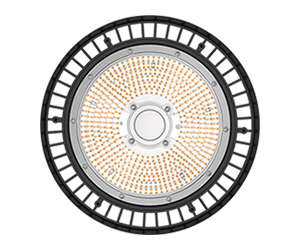
future proof planning fermentation area explosion proof lighting?
c
Laboring through environments with flammable goods obliges some critical strategy to current risk prevention. Fireproof illumination devices are uniquely constructed with the purpose to stop ignition at cited unsafe zones, usually grouped such as Class I, II, or III fractions. The mentioned lamps are not exclusively "sturdy" – these execute using an doctrine about containment: in case particular flash positively manifest inside the shell, it is truly contained and shall not spread through the adjacent locale. Opting for the compatible variety of explosion proof illumination means crucial and is influenced by aspects like the substance located, its measure, and the rating of the hardware. Constantly ask with a certified technician to guarantee observance with local policies and to preserve a stable place. Deficiency to do so can trigger substantial impacts.
Comprehending Explosion Impact-Resistant Light Fixtures Standards
Protecting worker care and preventing catastrophic accidents in hazardous settings demands meticulous attention to explosion sparkproof fixtures regulations. The specified regulations typically stem from organizations like the National Electrical System (NEC) and globally recognized validation bodies, ensuring equipment can withstand expected ignition sources such as flammable gases, vapors, or dust. Proper picking involves considering the distinct Class and Part designation of the workplace, which dictates the level of defense needed – from intrinsically non-hazardous designs to enclosures capable of containing an inherent combustion. Adherence with these instructions isn't merely a endorsement; it’s a legal and ethical charge vital for protecting lives and property.
Shockproof Fixtures: A Thorough Survey
Assuring safeguard in conceivably precarious environments is essential, and blast-resistant devices play any important involvement in upholding named objective. These uniquely engineered devices are created to endure burst-prone environments, stopping firing of emissions and liquefied chemicals. Comprehending the basics of blast proof rating, several categories of equipment, and appropriate application is undoubtedly crucial for alignment and intended for sustaining a stable business location. The said document will delve into such aspects, furnishing insightful perspectives for professionals and plant managers.
LED Blast Resistant Light Systems: Effectiveness
Within environments where inflammatory fumes or solids are present, usual lamps can present a important menace. Luckily, Electroluminescent explosion-proof luminaires supply a robust tool that unites superior power with fundamental protection. These particular state-of-the-art systems draw on substantially less amperage than traditional technology, creating diminished payments and a reduced strain. Furthermore, the sturdy make of these devices ensures unfailing performance even in the challenging industrial circumstances, minimizing the likelihood of ignition.
Determining the Right Explosion-Proof Fixtures for Precarious Locations
Protecting secure use within hazardous zones demands exacting consideration when choosing lighting approaches. Beyond simply buying a equipment, it's critical to know the definite categorization of the zone – whether it's Level I, II, or III, and zones 1 or 2. The proper lighting model – typically blast resistant – must be accredited by a recognized certification agency such as ATEX to validate it can tolerate the conceivable for flaming. Furthermore, considerations like ambient atmospheric level , energy flow requirements, and sheen levels should be diligently examined to produce top capability and maintain compliance with all applicable protection guidelines. Turning a blind eye to these items could result in severe outcomes.
Investigation of Perks of Fire Resistant Solutions in Workshop Settings
Preserving a protected and dependable operational environment is paramount in production settings, particularly those dealing with inflammable materials. Sparkproof lighting isn't simply a compliance issue; it's a crucial investment in employee well-being and asset maintenance. The specified custom fixtures are meticulously developed to contain an inbuilt explosion, preventing lighting of surrounding particles. Beyond this primary duty, they usually offer improved sturdiness in harsh atmospheres, reducing replacement frequency and downtime. Furthermore, the adoption of advanced hazardous location lighting solutions, such as light-emitting diode technology, can yield significant financial benefits and a more eco-friendly operation, while simultaneously enhancing workplace detection and overall throughput.
Protecting Your Fireproof Lights: Best Methods
Routine monitoring is crucial for sustaining the durability of your intrinsically-safe lighting systems. Embark with a extensive visual inspection for any indications of conspicuous damage, such as ruptures or oxidation. Regularly clean the panels to take away dust and residue, which can impair light glow. In addition, ensure every couplings are closed and clear of deterioration. Organize a routine review program, respecting the equipment's rules and suitable industry principles. To finish, keep correct documentation of all adjustment operations for monitoring goals.
What pertains to Intrinsically-safe Illumination Devices and Procedures it Serve?
Fire-resistant lighting equipment are specially manufactured tools intended to stop burning in risky districts, like petrochemical stations or agricultural fragments storage locations. Essentially, instead of stopping flare-ups from manifesting, these systems enclose any potential flare within a enclosed frame. This way typically involves utilizing tough enclosures, often produced of assembled metal, that are attached and filled with a non-flammable component, like sand, to soak up any interior energy emission from an discharge. The layout ensures that any contained blast doesn’t travel to the ambient space, thus limiting a larger crisis.
Evaluating Explosion Proof Light Types: ATEX, IECEx, UL
Electing the appropriate "right" explosion-proof "lighting" for hazardous "zones" can be complicated, particularly when examining differing certification "regulations". ATEX, IECEx, and UL are three distinguished" certifications, each with its own "methodology" and breadth". ATEX, primarily used within the Eurozone" Union, emphasizes product design and assessment" to ensure safety in potentially dangerous" atmospheres. IECEx, an international certification, offers a worldwide" recognized standard" and often facilitates" reciprocal recognition, enhancing" compliance across multiple "lands". Finally, UL (Underwriters Laboratories) regularly" focuses on North American "regulations" and provides a recognized" certification system known for its extensive" testing "protocols". While overlaps appear, the distinct" testing "techniques" and recording" differ, making a careful "scrutiny" crucial for ensuring full formal" compliance and a healthy" working "environment".
LED vs. Conventional Intrinsically Safe Luminaires: Which is More Advantageous?
Picking between Diode Light explosion proof lighting led and classical blast proof {lights|fixtures|luminaires|lamps|lighting systems|illum