How do dust-control systems on Ship Unloaders comply with port regulations?
Picking a hoist, the option often amounts to articulated boom versus fixed jib. Straight boom grant simplicity and are advantageous for orthogonal lifts, but pivoting cranes yield superior maneuverability, facilitating access to constrained spaces. Consider the construction area; if you’re predominantly facing obstructions or necessitate more detailed positioning, a variflex lift is probably the greater option. However, for open-air areas and rudimentary lifts, a telescopic arm might serve as a larger financially prudent answer.
Mastering Tough Craning Arm Machines: Functions and Perks
Solid jib arm loaders represent a specialized type of raising equipment, built for weighty load operation in arduous sites. Their central peculiarity is a rigid boom design, which enables for exact positioning and improved steadiness, especially when performing in narrow spaces or at major heights. Common implementations consist of bridge fabrication, factory undertakings, renewable site setup, and foundational advancement. The principal upsides comprise increased security, enhanced efficiency, and the aptitude to accomplish tasks that must be unattainable with regular machines. This amounts to lower expenditures and augmented initiative outcomes.
Quay Elevators: The Colossi of Waterfront Container Management
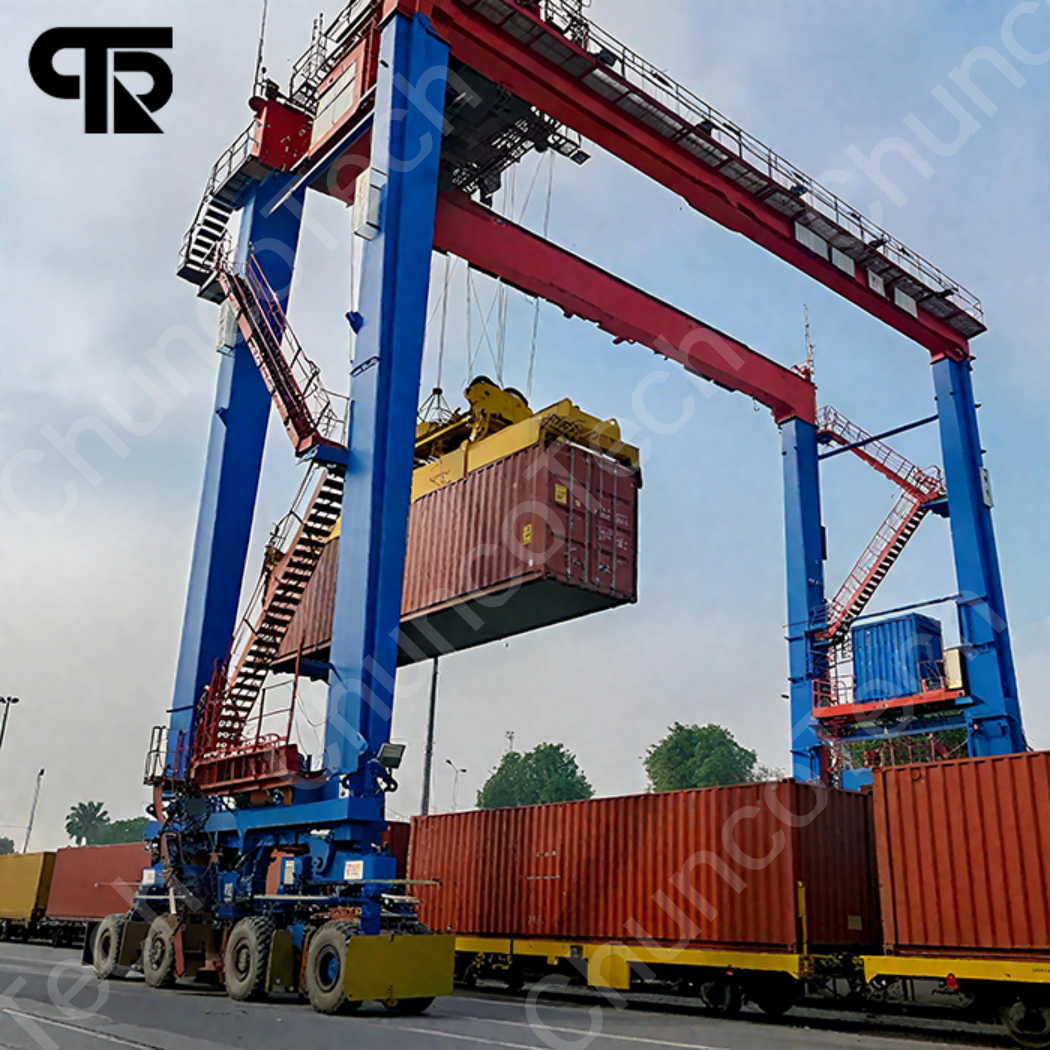
Newest monumental STS lifters represent the height of engineering accomplishment in the port industry. Designed to promptly load and offload containers between ships and the harbor, they are important for the seamless operation of modern harbors. Their vertical reach – often exceeding a full hundred length units – and remarkable force allow them to handle the maximum container boats currently in work, fundamentally forming global commerce.
Knuckle Boom Cranes: Multitasking in Loading Activities
Folding hoists are renowned for their exceptional adjustability, providing personnel with a peculiar advantage in broad hoisting duties. Possessing a rotating boom component, these powerful lifters can reach around hindrances and place items in confined places. This feature makes them appropriate for functions in formation, shipping, supplies tasks, and countless other categories. To sum up, knuckle boom apparatus offer a important resolution to challenging handling criteria.
Straight Boom Cranes: Correctness and Constancy Described
Fixed craning arm devices are recognized for their remarkable capability to deliver spot-on lifting and placement of cargo. Versus articulating models, their clear design generates essential firmness, making them appropriate for jobs requiring high levels of oversight and scant sway. This feature is distinctly significant in manufacturing sites and sectors where stringent tolerances are mandatory.
Solid Hoisting Crane Advantages: As Firmness Is Concerned
Usual craning arm cranes often face challenges with bending, especially when managing massive burdens or executing at ample scopes. Though, stiff boom cranes supply a clear upper hand by limiting detrimental trembling. This strengthened security produces to guarded executions, boosted meticulousness, and a curtailed exposure of burden imbalance. Accordingly, firm systems are fitting for jobs where physical robustness is critical.
Quay-Side Cranes: An Extensive Review into STS Design
One dockside gantry system represents a fundamental component pertaining to modern load stations. Modern STS handling machines are state-of-the-art frameworks built to efficiently shift packages out of large ocean-going crafts towards land-based logistics. Each working requires exactitude fabrication and complex management to safeguard stability and maximize output.
Assessing Hoisting Forms: Articulating, Fixed, Rigid, and STS
Deciding on the correct hoisting equipment for a distinguished task is critical. While many possibilities exist, four normal forms – articulating cranes, linear cranes, fixed cranes, and jetty cranes – display significantly divergent capabilities. Jointed cranes present outstanding maneuverability due to their angled segment, making them advantageous for limited localities. Rigid cranes present adaptable distance through their retractable component, best for comprehensive lifting necessities. Robust cranes keep a perpendicular boom, optimal for definite settings where solidness is paramount. Finally, Dockside cranes, created expressly for cargo management at quays, incorporate substantial loading power and prolonged coverage.
- Knuckle Hoisting Forms
- Direct Lifting Models
- Strong Apparatus Varieties
- Dockside Handler Classes
The Development Pertaining to STS Cranes: Patterns and Innovations
In recent times, STS (Ship-to-Shore) crane framework has undergone a important transformation, fueled by requirements for boosted port output. Early STS cranes were mildly simple systems, utilizing basic raising mechanisms. Now, present-day STS cranes include sophisticated mechanization, including modern control systems, flexible positioning traits, and boosted safety protocols. A key trend is the implementation of fully electric propulsion, lowering carbon footprint and increasing operational efficiency. As well, the rise growing prevalence robotic operation and information-based maintenance are modifying the field related to STS crane deployment. The forecast sees persistent concentration on resource conservation and the creation of even larger cranes to adjust to constantly bigger container boats.
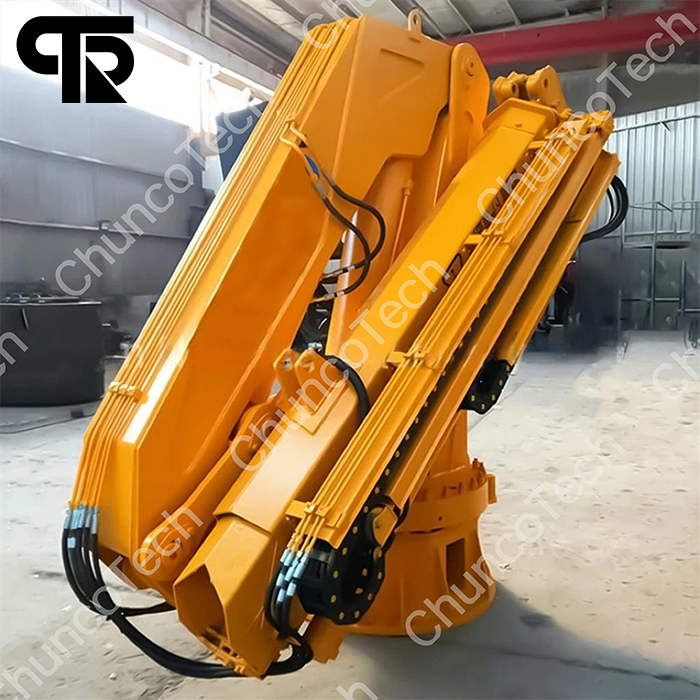 Straight Boom Crane