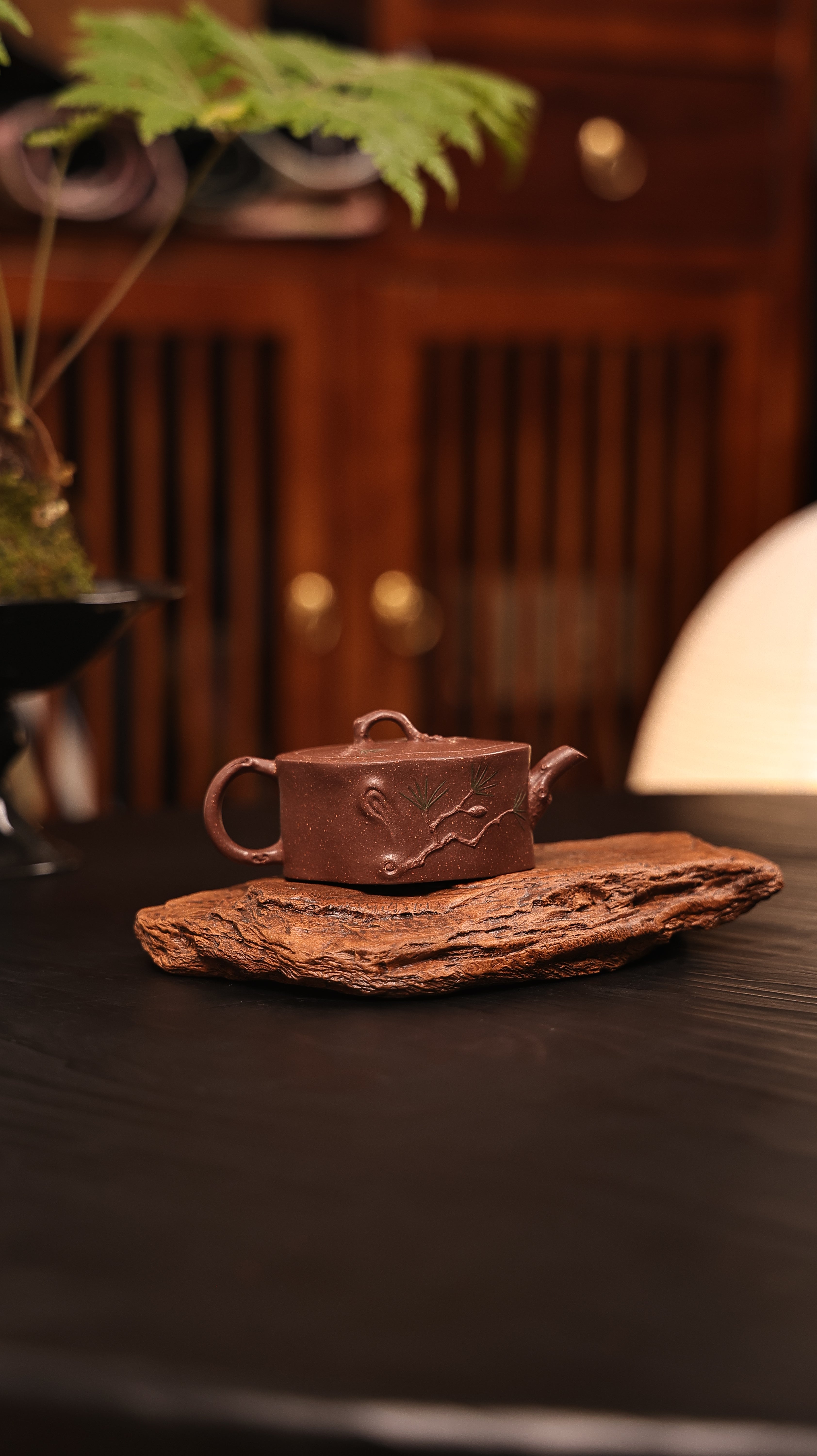
How does wall thickness impact heat retention in a Yixing Zisha Teapot?
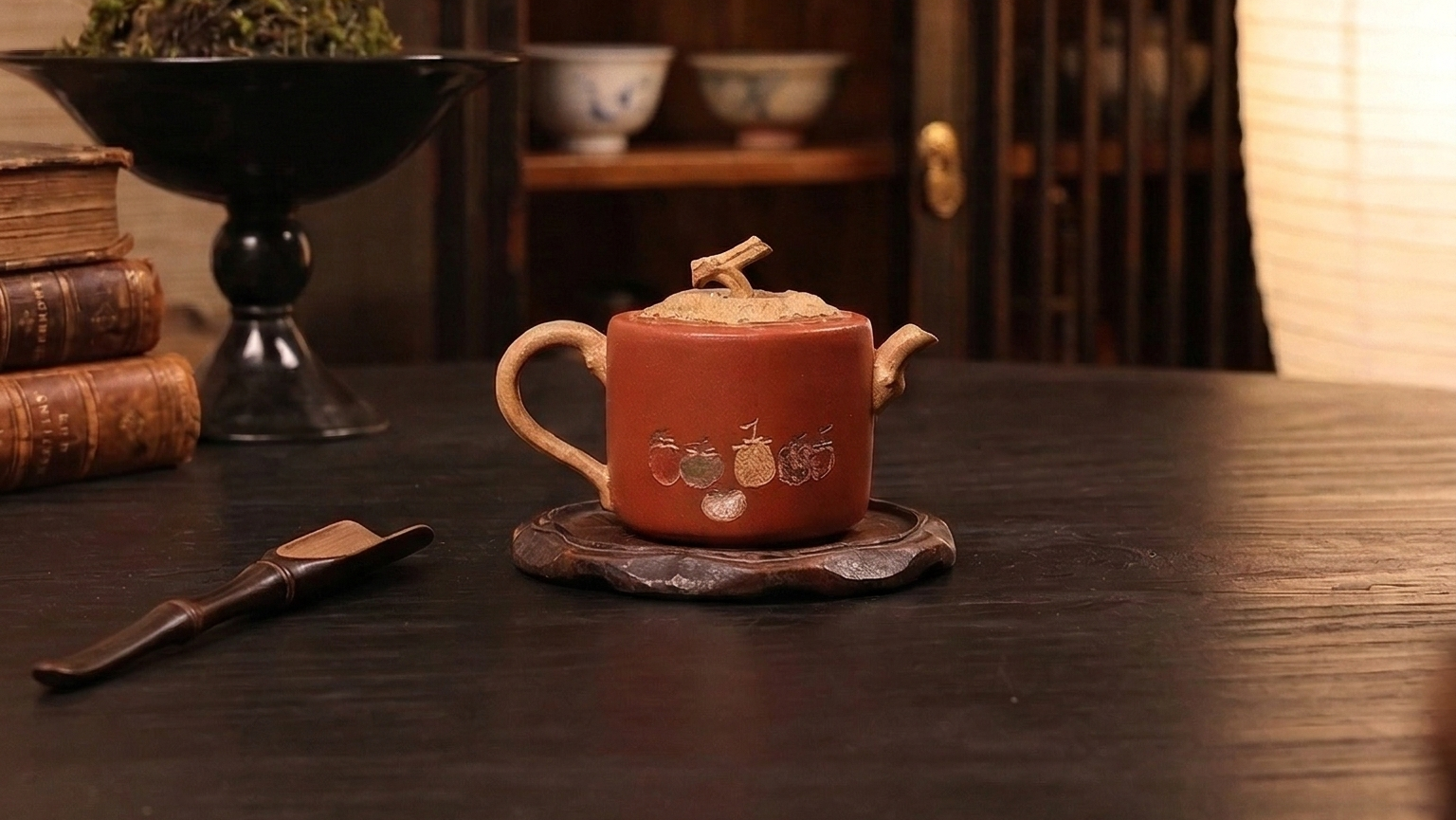
Throughout enduring chronicles,
Across periods, aficionados have been enthralled by the uncommon charm of Yixing Zisha teapots. Originating from the territory of Yixing in the mainland, these pots are renowned for their remarkable beauty, limited clay, and innate ability to boost the essence of the drink. The substrate's distinctive mahogany hue, combined with the adept creation of territorial builders, creates works that are jointly functional objects and treasured endowments. Securing a Zisha teapot is more than just such a purchase; it's seizing a rich ancestral heritage.
Investigating Yixing Teapots: Ancestry, Forms, and Price
The notable Yixing teapots stand as a deep past deeply intertwined with Chinese culture. Stemming in the Yixing region of Jiangsu province, these clay vessels possess a heritage stretching back to the Ming Dynasty. Early examples were functional, but throughout centuries, Yixing teapot forging evolved into an esteemed art form. The clay itself, known for its unique composition and ability to boost the flavor of the tea, exists a defining factor. Yixing teapots exist Chinese Teapot in various styles, broadly categorized by shape: Historic such as Zhuni (purple clay) and Bisheng, as well as exclusive designs. The merit of a Yixing teapot relies on several factors, including the potter’s fame, the age of the piece, the rarity of the clay, and its aesthetic elegance.- Record: Ancient times
- Substance: Zhuni (purple clay)
- Value Factors: Uniqueness
Art of Zisha Pottery: Technique and Makers
This development of a legitimate Zisha teapot is a demanding process, requiring decades of knowledge. Experienced artisans meticulously select the premier Zisha clay, a rare earth found only in specific regions of China. Classic techniques, often conveyed through families, involve exacting shaping, sophisticated carving, and steady firing in ancient incinerators. The concluding teapot isn't merely a vessel; it's a testament to inventive vision and the significant connection between the fabricator and their tradition. Each artifact showcases the unique touch of the specialist, resulting in a truly matchless work of art.
Historical Pottery: Delving into the Deep Practices of the Yixing Region
Esteemed Yixing, nestled in Jiangsu the expanse, is widely renowned for its exceptional cookware – a tangible representation of centuries of Chinese art. These aren't merely vessels for infusing tea; they are intricate works of craft, often reflecting spiritual ideals. Such unique purple clay, known as Zisha, possesses exceptional qualities: the compound dense, porous, and imparts a subtle note to the tea.
- Multitudinous families have honed the techniques of Yixing jar making, passing down cherished methods through ages.
- Connoisseurs prize these pieces for their grace and exclusiveness.
- Particular pot tells a legend, connecting the recipient to a rich past.
Exploring Yixing Zisha: What to Look For
During examining get Yixing Zisha teapots, various criteria expect careful review. Firstly, the material's shade is noteworthy; authentic Zisha habitually exhibits a pronounced reddish-brown shading. In addition, scrutinize the workmanship; sharp elements and a flawless layer manifest competent workmanship. Finally, investigate the potter's background; esteemed names bring increased premiums and often guarantee a stable return.
How to Brew Premium Tea with Zisha Clay
Creating sumptuous tea with a Zisha jar is more beyond a simple technique; it's an mastery. Zisha clay, known for its unique geological composition, imparts a delicate character to the finished tea that’s often wanting with other implements. The suitable water level is required; typically, gentler than what's used for black tea, to maintain the tea's smell and nuance. Consider mindfully the tea class; delicate green teas or aged pu-erhs flourish from the Zisha’s ability to mellow their basic edge. It’s pivotal to heat the teapot in advance of brewing, and to prevent over-steeping. Mastering this art leads to a factually exceptional tea moment.
- Grasping Zisha Clay
- Water Temperature & Type of Brew
- Necessity of Preheating
Protecting Your This Kettle
To ensure prolong the longevity of your esteemed Yixing vessel, ongoing management is truly key. Abstain from using detergent; instead, tenderly flush it with warm aqueous substance. Prevent unexpected changes; refrain lay the teapot directly onto a searing area. Periodically, enrich the clay pot by filtering it with excellent refined infusion, as this promotes to build its profile and defends the exclusive traits of the element.
Concerning Dirt to Container: The Transition of a Yixing Utensil
The creation of a Zisha teapot is a exceptional mechanism, a symbol to both the environment’s bounty and the ability of the specialist. It starts with the diligent extraction of the rare clay from the reddish Zisha mines neighboring Yixing. This raw material, known for its extraordinary peculiarities, is then patiently washed and arranged for the initial forming. The jar’s figure is expertly made using a fusion of longstanding wheel throwing processes, often incorporating fancy enhancements. Following curing, the container undergoes a fundamental first firing, subsequent by a surface treatment stage, which might involve numerous layers of genuine Zisha paints. Finally, a second, and sometimes third, firing at maximum temperatures brings the work, revealing its conclusive beauty and superlative characteristics - a veritable masterpiece, primed to grace a tea ritual.
{Yixing Teapots: A Embodiment of the Custom and Tribute
Legendary Yixing teapots, originating from the noted Yixing region of Jiangsu province, are far more than mere jars for brewing brews; they represent a major aspect of Chinese traditions. Constructed from distinctive purple clay – zisha – these uncommon teapots are highly esteemed for their ability to refine the flavor of the tea and, crucially, for their elegance. The chronicle of Yixing teapot making spans centuries, and the technique involved is relayed through generations, making each teapot a cultural artifact that embodies lasting techniques and a profound appreciation for the pure pleasures in life.