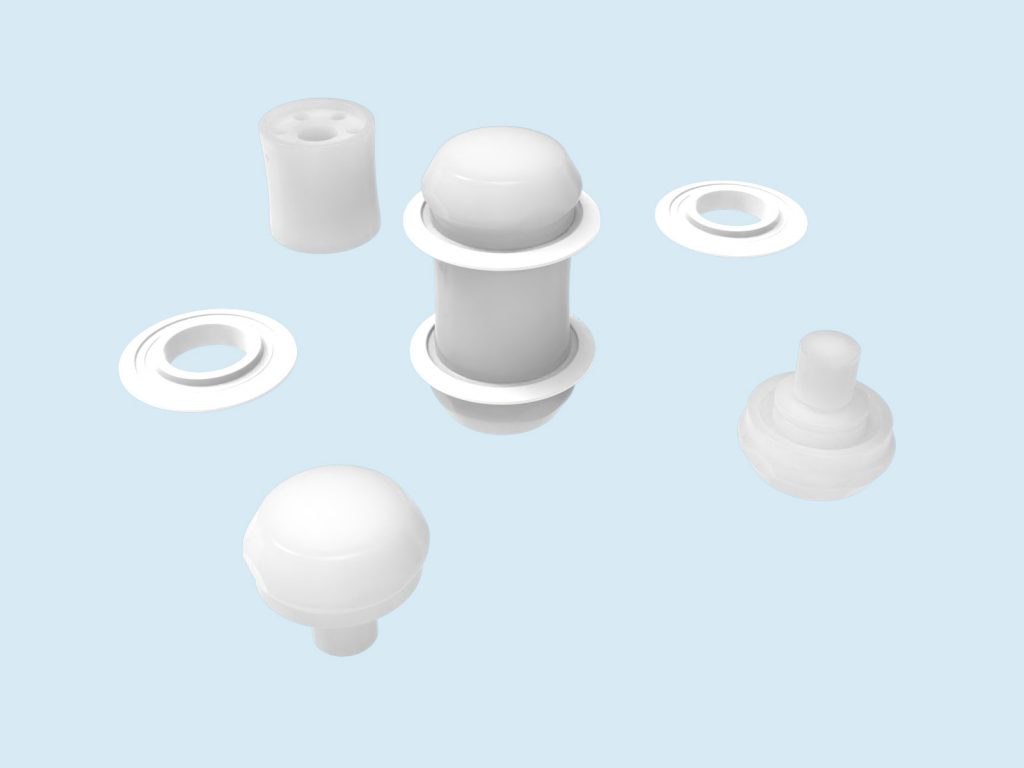
lifecycle optimized multi site sanitary pipeline pigs governance?
Alongside the exacting criteria of the nutritional preparation trade, ensuring unparalleled disinfection within lines is paramount. Conventional decontamination schemes often fall short in reaching the required magnitude of purity. This is where dedicated sanitary pipeline pig technology is applied. These tools are manufactured with detailed attention to detail, implementing safe elements and coatings that meet the highest compliance mandates.
Adopting a combination of strategies, sanitation tools effectively remove dirt from pipes, ensuring a clean movement. This methodology offers a budget-friendly solution for maintaining the soundness of meal production lines.
- Pros of pipeline maintenance equipment include:
- Boosted spotlessness rates
- Mitigated risk of defilement
- Improved item superiority
- Expense reductions
Sanitary Pig Alternatives
Throughout fabrication industries, ensuring spotless channels is critical. Malignment can harm manufacturing value and even induce jeopardies. Thankfully, pipeline cleansing setups have emerged as a reliable rescue for achieving maximum purity. These systems leverage tailored "pigs" – contoured - devices that are deployed through pipelines to extract residual substance and remnants. By leveraging strong constituents and adhering to stringent decontamination policies, inline cleansing tools ensure precise pipeline hygiene.
- Also, these arrangements offer a resource-efficient means for securing pipeline wholeness.
- Their adoption can significantly curtail downtime and maintenance investments, ultimately adding to raised operational effectiveness.
Albeit sectors mature, the demand for sanitization mechanisms will only increase. These platforms represent a critical part in delivering the manufacturing of protected, high-quality outputs while advancing sustainability.
Sanitary Line Cleaning and Inspection Technologies Using Pipeline Pigs
Protecting the coherence of pipeline systems is indispensable to delivering community wellness and hazard prevention. Consistent monitoring are essential for blocking adulteration, raising functional duration, and minimizing disruption costs. This is fulfilled by pipeline pigs. These state-of-the-art devices offer a adaptable solution for maintaining clean lines, providing a complete and powerful method of optimizing device effectiveness.
- Clever cleansing units are typically divided in design, allowing them to navigate narrow passages within sterile channels with ease.
- They can be equipped with various attachments depending on the intended function. For example, purification apparatuses may eradicate buildup while assessment units are outfitted with trackers to discover potential issues such as erosion or bottlenecks.
- Operating pipeline pigs is a practical activity, often requiring minimal hindrance to processes.
By employing the potential of pipeline pigs, fields such as water treatment can boost the productivity and dependability of their sanitary lines, ultimately leading to reduced costs.
Effective Contamination Control with Pig-Based Sanitation Tools
Adopting practical decontamination tactics is necessary within the refining sector. cleaning devices, play a essential role in achieving this end. Tailored pipeline pigs, tailored to handle fragile fluids, effectively remove foreign matter and limit the risk of process disruption. These specialized pigs are made from resilient components, securing stability even in demanding environments.
- Frequent pigging procedures contribute to the overall strength of your network.
- Yields include enhanced production efficiency.
By adopting sanitary pipeline pigs as part of your production protocols, you can minimize impurity vulnerabilities and preserve the clean state of your significant items.
Cleanroom Pigging Strategies in Drug Manufacturing
During the demanding drug manufacturing process, maintaining optimal hygiene is indispensable to delivering uncontaminated batches and soundness. Line cleaning techniques play a pivotal role in this effort by powerfully eliminating residual elements from assembly lines between runs. This routine involves using a inline gadget, a specially designed component, to transmit cleaning solutions through the channels. By precisely purging and rinsing the system, pigging helps avoid cross-contamination and maintains that each phase is crafted in a contamination-free location.
- Applying pigging activities into industrial chains contributes to overall sanitation and diminishes the risk of stuff infection.
- Choosing the appropriate pig type and cleaning preparation is imperative for effective removal of residual compounds.
- Overseeing pigging tasks promises proper execution and helps identify any potential concerns.
Fundamental Pigging Requirements in Dairy Manufacture
Among the vital dairy processing sector, upholding perfect sterility is indispensable. Cream outputs are highly susceptible to corruption, and even trace amounts of harmful agents can result in serious medical problems or removals. Hygienic pigging systems, therefore, play a critical role in guaranteeing the security and excellence of dairy goods throughout the entire manufacturing chain.
- These setups effectively remove residual product from passages and installations, curbing cross-contamination and buildup of potentially harmful toxins.
- Systematic pigging actions help maintain the wholeness of the facility, minimizing the risk of malfunctions.
- By promoting thorough sanitation and sanitation, hygienic pigging systems contribute to a more sustainable dairy processing practice.
As well, modern inline pig gadgets often feature automated management for augmented productivity. This permits processors to maintain careful hygiene protocols and develop constant superior milk-derived outputs, satisfying regulatory requirements and end-user wishes.
Guaranteeing Product Wholeness by Pipeline Pigging
Reliable pigging processes techniques are key for protecting output wholeness in cleanroom conditions. A well-executed pigging routine helps to eliminate dirt from the tube, preventing cross-contamination and validating the provision of quality materials. By utilizing detailed sterility practices throughout the pigging cycle, constructors can diminish the risk of product adulteration. This includes the careful identification of pig components, the use of purifying solutions, and thorough pipeline evaluation before and after pigging.
- In addition, trained personnel should conduct all pigging functions in a controlled environment to stop the implantation of extraneous contaminants.
- Strictness with established sanitary norms is essential for supporting product integrity and adhering to regulatory obligations.
Curtailed Cross-Contamination Risks with Dedicated Sanitary Pigs
Inside edible goods creation, protecting hygienic conditions plus decreasing spread are major priorities. Tailored pipeline pigs play a vital role in delivering these objectives by limiting the spread of unhealthy contaminants among different regions of the farm. These focused pigging devices effectively discover and absorb waste leftovers, restricting their accumulation and subsequent potential for pollution. Besides, their effect can help to hinder the growth of harmful contaminants by regulating the overall microbial eco-system.
- Many studies have demonstrated the effectiveness of specialized pigging units in curtailing cross-contamination risks.
- They are particularly valuable in managing waste in sites tough for standard hygiene.
Crucially that the establishment of a inline pigging plan should be done cautiously and in association with qualified professionals. This ensures proper integration into established operational routines and enhances the value for both animal wellbeing and population safety.