precision viscosity control additives precision PSDM sealing solution?
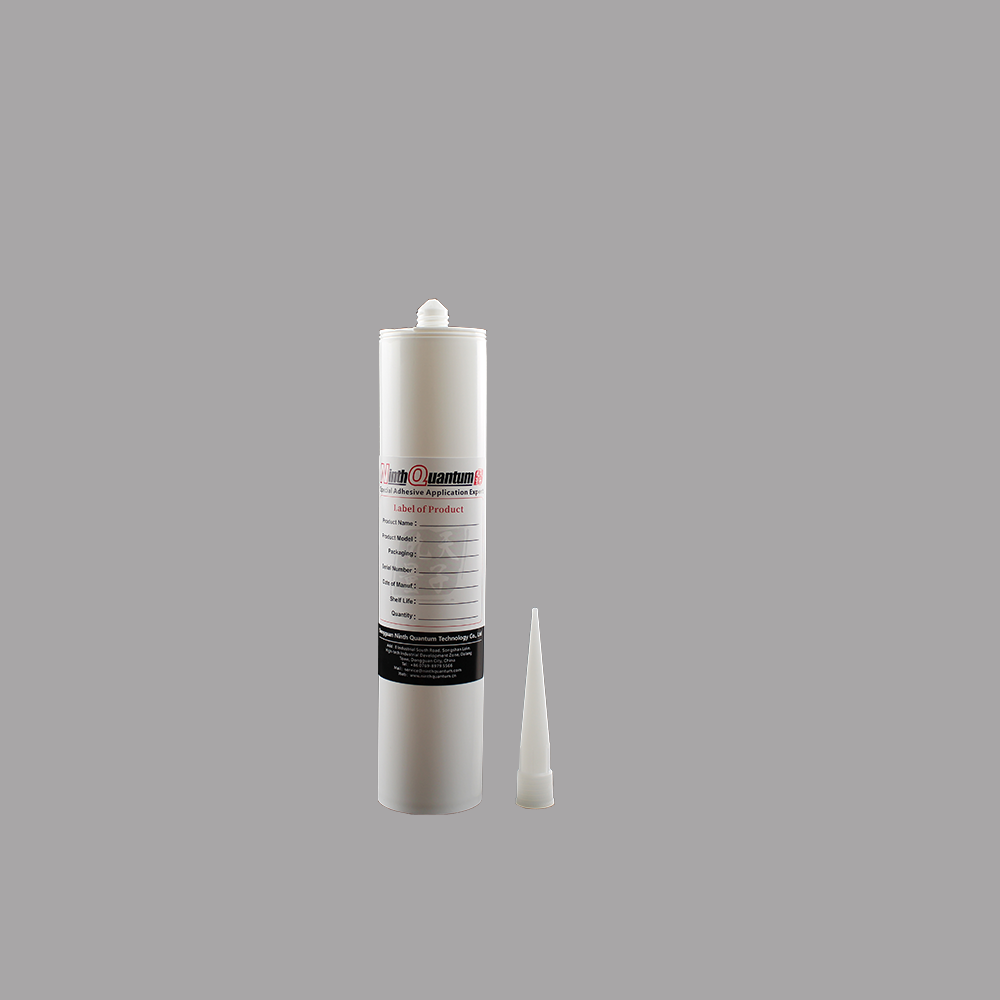
Across the arduous area of circuitry package defense, acidic sealants have become a favored remedy owing to remarkable binding qualities and resistance to harsh surroundings. They construct firm barricades repelling dampness, corrosion, and dirt. Also, their conformity to various material bases increases the usability in numerous fields.
- Though
- obstacles persist
- involving acid-formulated barriers.
Such impediments encompass the risk to circuitry integrity and worries about material lifespan under operational stress. Broad studies and development attempt to solve these problems and enhance acidic coating suitability for electronic enclosure solutions
High-tech conduction layers elevating electronics energy dissipation
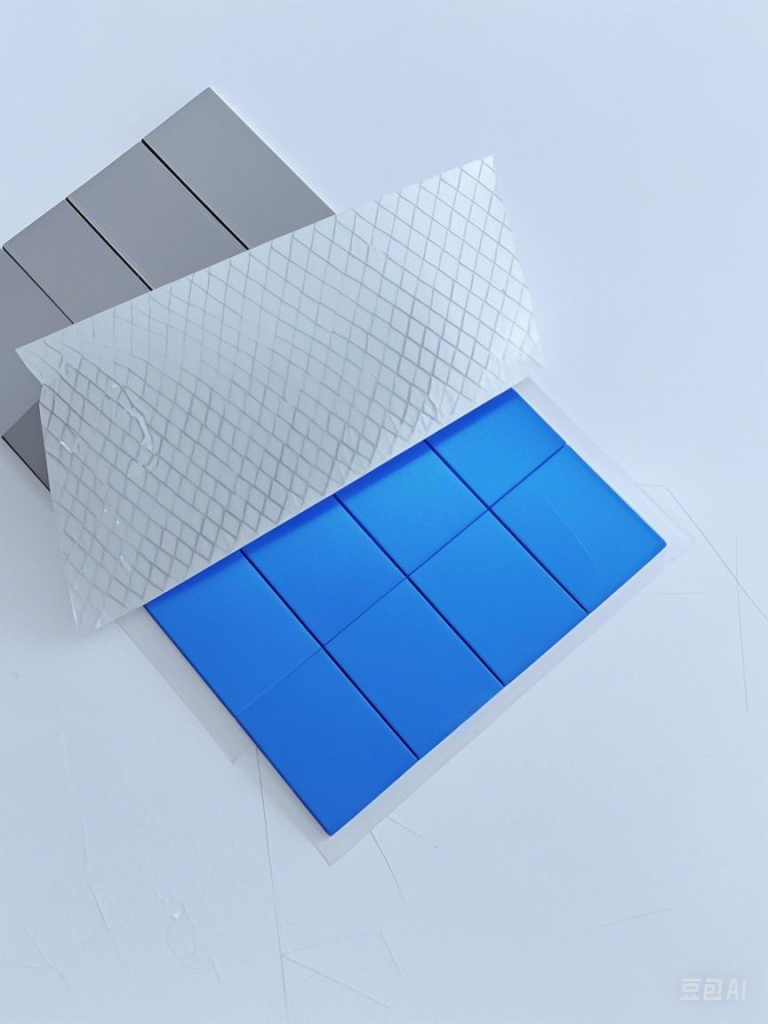
Within the swiftly advancing electronic industries, dissipating excess heat has gained critical focus. Given that devices shrink but operate at raised electric density, mitigating overheating risks intensifies. Emerging as promising technologies, conductive films combine ideal thermal transport with mechanical adaptability. Such membranes join with system parts, enhancing temperature regulation outcomes. Deployment within communication units, computing devices, and smart wear leads to longer battery function, greater efficiency, and steady reliability.
- Thermally efficient membranes permit redesign in components and size to suit defined heat dissipation requirements
- Application of thermal conductive membranes to fabrication processes usually permits easy insertion
- Unceasing evolution boosts heat-spreading layer functionality and extends sector penetration
Sophisticated PSDM Methods Strengthening Product Durability
In the rapidly transforming innovation sector, augmenting device dependability holds critical status. Innovations including PSDM deliver game-changing capabilities to confront serious needs. PSDM enables entities to control device status before failures arise, pinpoint anomalies, and arrange prompt fixes. Anticipative oversight markedly decreases offline periods, uplifts workflow capacity, and expands tool lifetime.
Silicone Polymers Featuring Electrical Connectivity
These sealants combine the adaptability of silicone with the capacity to conduct electrical current. Ideal for uses requiring simultaneous conduction of electricity and heat. Also, protection against high heat, dampness, and ultraviolet rays expands their suitability for industrial and customer domains
- Widely employed within electronics, transportation manufacturing, and health services
Superior Acidic Sealants Designed for Challenging Conditions
Markets impacted by persistent degradation call for steadfast coatings. Next-level acidic coatings grant impressive safeguarding against corrosive assaults. Built with tough ingredients, the product affixes firmly to assorted materials, ensuring prolonged barrier function in acidic settings
- Core benefits consist of moisture blocking, thermal robustness, and increased longevity
Select our top-tier acid sealer for dependable defense in challenging conditions
Heat Conductive Sealants Improving Temperature Regulation
Across the electronic components and temperature management areas, thermally conducting sealants help optimize thermal dispersion inside apparatuses. Such materials exhibit superior thermal flow characteristics, allowing effective conduction of heat from electronic components. Generating stable junctions connecting components with thermal sinks, these agents diminish heat gradients. Hence, outcomes comprise better efficiency, prolonged trustworthiness, and longer usability through heat mitigation.
Deciding on an optimal heat conduction sealant takes into account thermal load, compatibility among substrates, and needed cohesion. Advancements in sealant formulations steadily improve thermal efficiency, leading to more compact and reliable management solutions
Excellent Sticking Abilities of Silicone Sealants Exhibiting Conductivity
Silicone-based conductive sealants exhibit superior adhesive quality securing firm bonds. This strong cohesion is vital for maintaining trustworthy electrical pathways and avoiding disconnections. The chemical structure, incorporating conductive agents such as silver or carbon powders, promotes solid interaction with metals, synthetic polymers, and glass types. Stable adhesion supports operational longevity by mitigating damage caused by motion, temperature fluctuations, and moisture.
Acidic Sealant Suitability for Semiconductor Components
Determining suitable sealants for semiconductors requires attention to compatibility with foundational materials. Providing solid grip, acid-based sealants could impose hazards on fragile semiconductor parts. Rigorous trials and thorough scrutiny determine appropriate acid-containing sealants for semiconductor materials.
Factors such as acidic concentration, exposure duration, and ambient temperature significantly influence sealant performance and interaction with semiconductor elements. Performing comprehensive tests assures prevention of damage or decay to precious semiconductor elements due to acid-based products
Role of Conductive Films in Device Assembly Processes
Electric current-enabled materials provide critical support for power flow amid device assembly. The materials authorize uninterrupted power passage, ensuring reliable working of integrated electronic systems. Fields of application comprise bendable screen technology, transistor films, sensor units, and integrated microchips. Effectual conductivity with slim dimensions enables wide use in cutting-edge product engineering
The features of conductive sheets undergo accurate calibration to align with diverse application criteria. Exemplifying optimization features electrical conduction controlled to sustain top-level performance and power usage. Besides this, the films install on components including plastic, silica, and metals facilitating versatile assembly and structural techniques
- Merits feature bendability, thin configuration, and economical production approaches
- They receive growing utilization in mobile apparatuses, notebook gadgets, and wearable tech
- Current innovations highlight see-through, flexible, and self-healing conductive coatings endowed with improved electric flow
Evaluation of PSDM Versus Traditional Joining Techniques
In adhesive technology, two predominant methods have gained attention: PSDM and customary bonding techniques. An assessment approaches side-by-side comparison with emphasis on advantages and limitations. PSDM offers rapidity, accuracy, and appropriateness for fragile materials. Contrastingly, conventional methods involve mechanical forces often producing durable bonds but with longer cycle times
- The primary advantages of PSDM include flexibility and simplicity of application
- Time-tested adhesion generally results in stronger bonds suited for high-load applications
Modern Innovations in Acidic Sealant and Conductive Film Deployment
Research and development in acidic sealing and conductive membrane technologies face promising breakthroughs. Significant initiatives Conductive Film/thermal Conductive Sealant direct efforts toward innovations improving sealant robustness amid challenging circumstances. In tandem, development stresses conductive layers with increased transport efficiency applied to adaptable electronics, sensors, and energy supply.Synergy linking researchers and commercial partners facilitates critical progression of new technologies. This collaborative methodology ensures acidic sealing and conductive film advancements meet changing demands within diverse industries