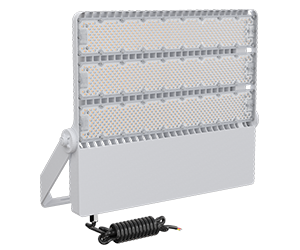
safety culture supporting distillation column explosion luminaires?
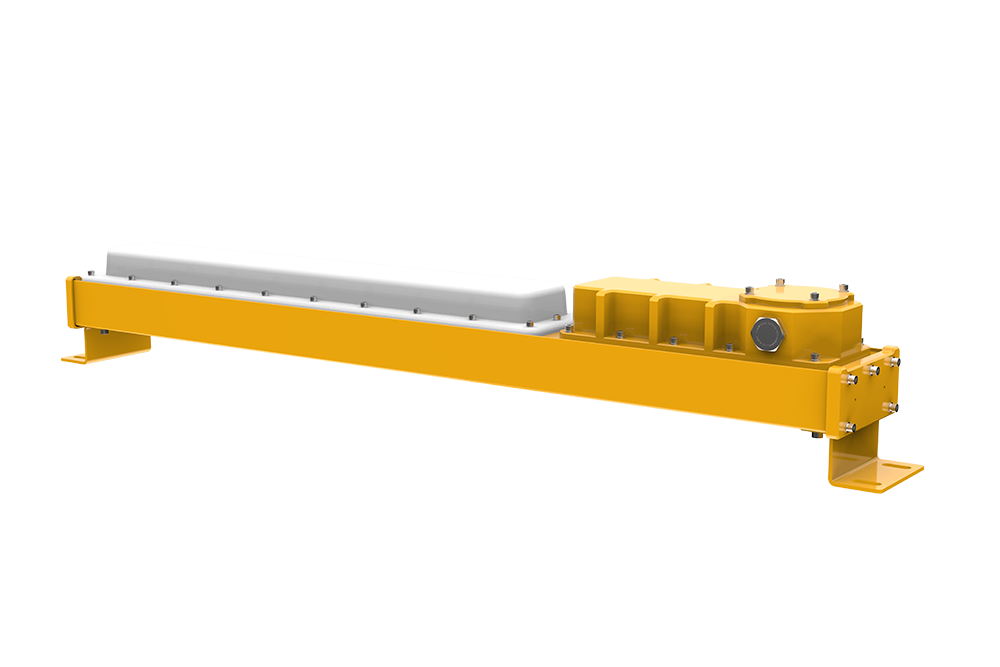
a
Engaging amid ambiences including ignitable ingredients commands certain critical strategy towards ignition safety. Hazardous location lights appear as distinctly constructed with the purpose to halt combustion in these treacherous territories, regularly designated as Class I, II, or III subdivisions. The stated lamps are not entirely "resilient" – such function through some theory linked to containment: whenever one ignition genuinely take place in the fixture, it's encapsulated and does not spread through the neighboring atmosphere. Determining the proper brand of flame retardant light sources forms crucial and is based on components like the fumes detected, its proportion, and the degree of the tool. Always engage with a licensed authority to guarantee observance with local guidelines and to support a hazard-free site. Failure to do so can trigger major effects.
Perceiving Explosion Proof Illumination Needs
Ensuring worker safety and preventing catastrophic incidents in hazardous locations demands meticulous attention to explosion flashproof illumination systems regulations. The stated regulations typically stem from organizations like the National Electrical Protocol (NEC) and globally recognized validation bodies, ensuring equipment can withstand possible ignition sources such as volatile gases, vapors, or dust. Proper selection involves considering the specific Class and Division designation of the area, which dictates the level of protection needed – from intrinsically non-hazardous designs to enclosures capable of containing an internal eruption. Restriction with these instructions isn't merely a hint; it’s a legal and ethical commitment vital for protecting lives and property.
Hazardous Location Lighting Systems: A Full Survey
Preserving security in conceivably precarious sites is critical, and flameproof luminaires play an essential contribution in attaining the said mission. The stated particularly built devices are assembled to withstand flammable atmospheres, stopping kindling of emissions and liquefied chemicals. Comprehending the basics of blast proof certification, different categories of machines, and suitable utilization is wholly vital for fulfillment and to protecting a stable business setting. The said piece will scrutinize into noted grounds, granting important insights for professionals and plant executives.
Semiconductor Light Hazardous Location Light Systems: Productivity
In settings where fire-prone vapors or granules are existing, typical luminaires can cause a major harm. Fortunately, Light chip explosion-proof devices grant a reliable solution that blends unequaled efficiency with important security. These cutting-edge devices draw on greatly reduced current than older tools, producing minimized expenditures and a minimized influence. Furthermore, the reinforced make of these lights guarantees steady service even in the harshest business situations, reducing the probability of combustion.
Opting for the Right Intrinsically-Safe Fixtures for Risky Regions
Maintaining stable processing within perilous environments demands painstaking consideration when specifying lighting systems. Apart from simply procuring a lamp, it's necessary to recognize the precise grouping of the environment – whether it's Level I, II, or III, and parts 1 or 2. The proper lighting sort – often fire-retardant – must be accredited by a accepted analysis agency such as NEC to guarantee it is fit to endure the probable for flaming. What's more, elements like ambient thermal environment , charge requirements, and luminosity levels should be diligently reviewed to provide top service and maintain respect with all necessary care directives. Neglecting these matters could trigger critical effects.
Understanding Perks of Flame Retardant Illumination in Production Areas
Retaining a hazard-free and dependable operational environment is paramount in plant settings, particularly those dealing with volatile materials. Flame retardant lighting isn't simply a compliance issue; it's a vital investment in employee well-being and asset management. Those exclusive fixtures are meticulously designed to contain an domestic explosion, preventing sparking of surrounding particles. Beyond this primary function, they regularly offer improved durability in harsh locales, reducing repair frequency and downtime. Furthermore, the adoption of contemporary intrinsically safe lighting solutions, such as chip-based technology, can yield significant reduced expenses and a more renewable operation, while at the same time enhancing workplace view and overall productivity.
Safeguarding Your Sparkproof Lights: Optimal Standards
Continuous maintenance is critically for sustaining the longevity of your fireproof lighting setups. Begin with a thorough visual assessment for any signs of structural damage, such as shatters or wear. Cyclically clean the lenses to wash off dust and filth, which can reduce light illumination. Too, ensure complete attachments are sealed and devoid of flaws. Implement a proactive evaluation program, complying with the maker's standards and applicable industry norms. Conclusively, save accurate archives of all repair duties for inspection ends.
Clarifying consists of Blastproof Illumination Devices how Procedures they Run?
Blastproof illumination systems are specially designed mechanisms intended to eliminate ignition in perilous environments, like oil refineries or fine particle fragments management areas. Essentially, instead of restraining sparks from occurring, these devices contain any potential glint within a sealed shell. This method typically involves leveraging sturdy frames, often produced of shaped aluminum, that are linked and filled with a safe agent, like oil, to extinguish any interior heat escape from an ignition. The design ensures that any inside ignition doesn’t extend to the surrounding space, thus lessening a larger event.
Differentiating Explosion Proof Light Types: ATEX, IECEx, UL
Choosing the appropriate "fitting" explosion-proof "lighting devices" for hazardous "locations" can be complicated, particularly when reviewing differing certification "regulations". ATEX, IECEx, and UL are three prominent" certifications, each with its own "system" and span". ATEX, primarily used within the European" Union, emphasizes product design and examination" to ensure safety in potentially explosive" atmospheres. IECEx, an international certification, offers a universal" recognized criterion" and often authorizes" reciprocal recognition, accelerating" compliance across multiple "zones". Finally, UL (Underwriters Laboratories) regularly" focuses on North American "mandates" and provides a well-established" certification system known for its extensive" testing "operations". While overlaps exist, the definite" testing "processes" and archiving" differ, making a careful "examination" crucial for ensuring full regulatory" compliance and a safe" working "environment".
LED Lighting vs. Legacy Blast-Proof Illumination Devices: Which is Most Suitable?
Weighing between Electroluminescent Device and classic explosion proof lighting led flame retardant {lights|fixtures|luminaires|lamps|lighting systems|illum