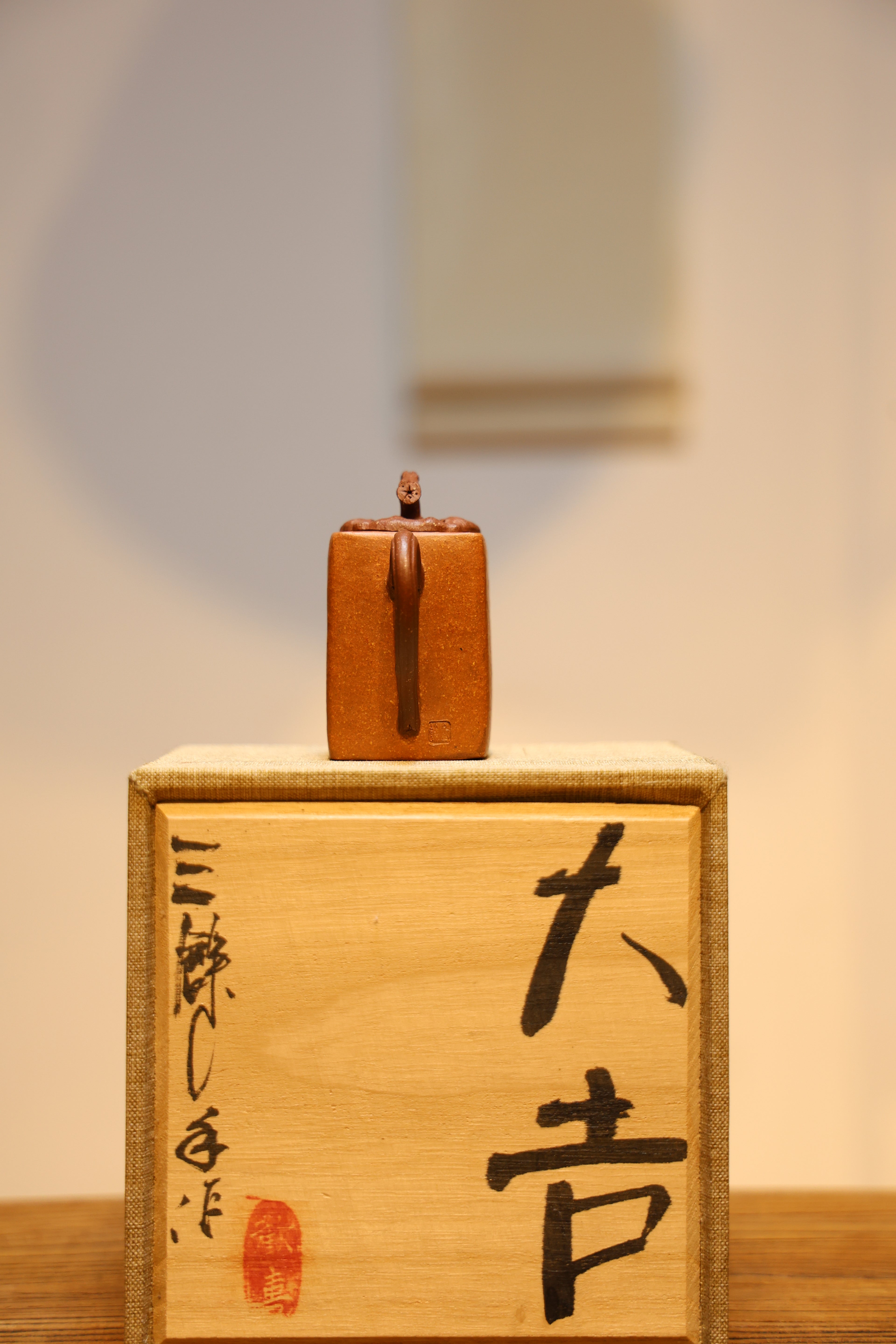
texture centric Zisha rounded belly teapot?
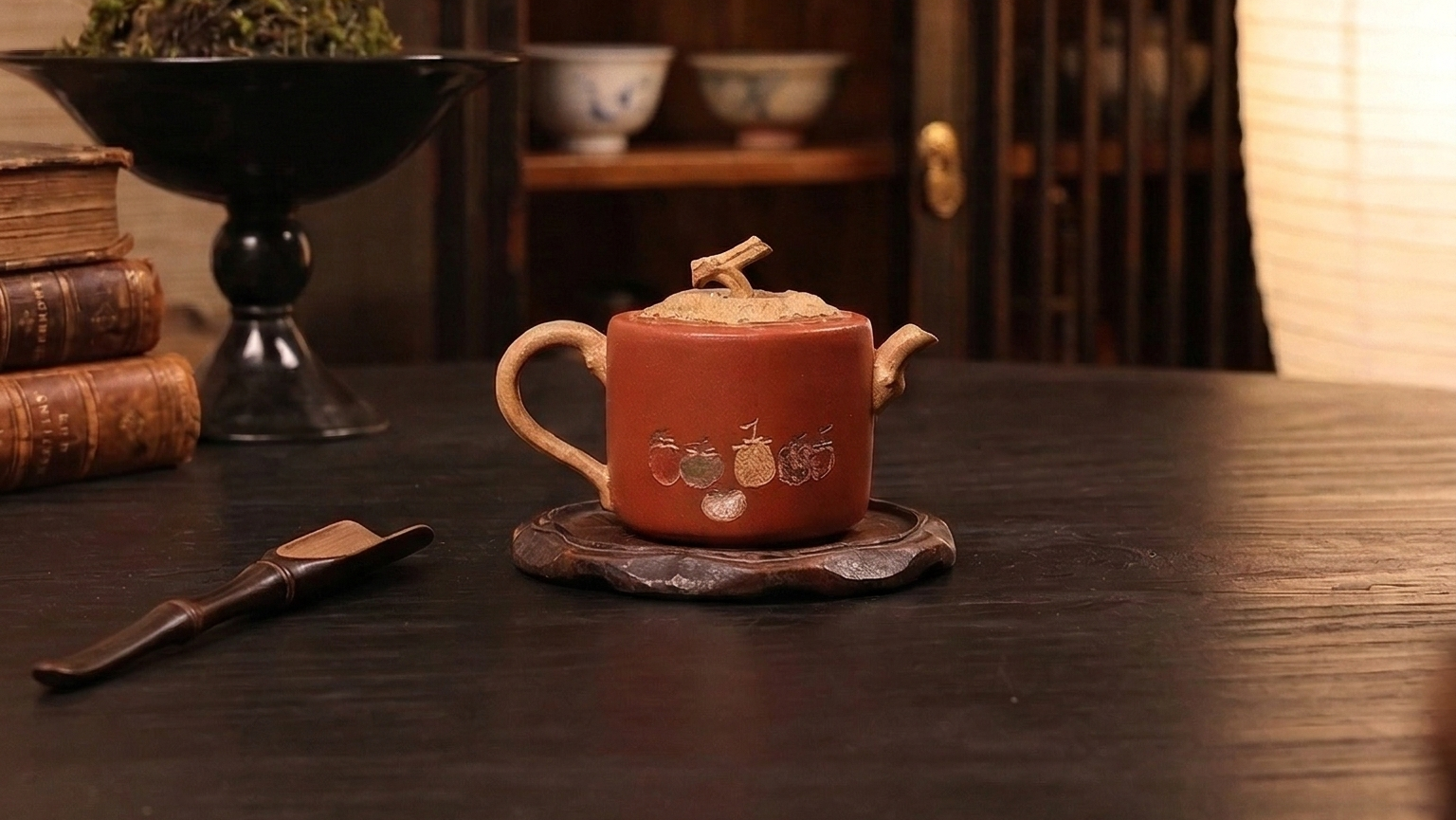
Commencing an in-depth exploration with respect to Yihsing Zisha brewing containers showcases unique compelling amalgamation featuring artistry plus practicality.
Yixing 紫砂 ceramic vessels enjoy one exceptional appeal to aficionados universally. Particular stunning earthen vessels, emanating from the special Yi-hsing province within Jiangsu district, China, represent more than just teaware; they are viewed as works of beauty and cherished significance. Distinct finely sorted clay, known referred to as Zisha, imparts a refined flavor upon the tea, and the intricate designs, often revealing traditional Chinese themes, add to their fundamental value. Collecting a genuine Yixing Zisha teapot can be a worthwhile journey, entailing careful analysis and an grasp of the manifold factors influencing its uniqueness.
Exploring Yixing Tea Vessels
Yi-hsing ceramic containers boast a fascinating record deeply interwoven with Chinese traditions. Originating in Yixing, Jiangsu area, these pots are crafted from a unique, porous purple dirt found only in that designated location. Their development began during the Ming time, with master craftspeople refining the means over ages. Various types persist, including the classic Hexiang (resembling crab shells), Zhuni (red-brown hue), and Duan Ni Yixing Teapot (stone-studded) – each with distinctive traits. The value of an Yixing earthenware pot isn't solely based on its size or embellishment, but also on the potter’s reputation, the mineral's quality, and the vessel's age and condition. Curators often seek out older examples, believing they collect the flavor of the drink brewed within them over time, further adding to their prestige.- Vintage Vessels
- Mahogany Vessels
- Rock-Decorated Clay Pots
Zisha Teapot Mastery: Fabrication & Procedures
Exclusive fabrication of Zisha teapots represents a culmination of Chinese ceramic craft. Seasoned artisans employ established techniques, often passed down through heredity, to unlock the full beauty of this unique clay. Procedures involve meticulous shaping by hand, often combined with the stacking method, followed by precise tempering at incredibly intense temperatures in wood-fired kilns. Beautifying is equally crucial; artists utilize organic clay colors and may incorporate modeling work to depict intricate scenes or patterns, demonstrating a profound knowledge of the material’s aspects and energy. The final teapot isn't merely a vessel for tea, but a testament to a extensive cultural background.
The Claywares: Distinct Overview to Eysing Zi-sha
Exploring the world of a teapots commonly opens with Yixing Zisha. These unique clay containers are fashioned from a dedicated type of clay found only in the Yixing region of Jiangsu Province province. Recognized for its distinctive reddish-purple hue and superior aspects, Zisha clay delivers a subtle flavor to the brew and matures with age, shaping into a cherished valued item. Owning Yixing Zisha pots is more than just holding a exquisite object; it’s a dedication of practice and talent.
Investing in the Purple Clay: Realness & Increase
Beginning the domain of Yixing Zisha ceramics can be highly worthwhile, but involves a careful cognition. Validity is required; plentiful duplications occur, habitually artfully assembled. Familiarizing oneself about ancient roasting approaches, special material attributes, and the labels of respected potters is completely vital. Furthermore, realizing the particulars of the evolution tendency – influenced by causes such as cultural significance and the preservation of the product – is crucial to sound investing.
- Scrutinizing curing development.
- Seeking scholars for attestation.
- Evaluating auction behavior.
That Discipline of Preparing with a Stoneware Pot
Such unique allure of a Zisha tool lies not just in its lovely appearance, but also in its significant impact on the character of the drink. These traditional clay brewing pots, sourced from unique regions of China, possess a natural porosity that delicately interacts with the solution and leaves, imbuing the elixir with a soft character. Mastering the process requires a persistent approach, understanding how the terracotta responds to different degrees and tea types, ultimately leading to a sincerely rewarding sipping ceremony.
Safeguarding Your Artifact
Proper maintenance of your Yixing pot is vital to securing its lifespan. These singular teapots, crafted from exceptional Yixing clay, accumulate a character over generations that improves their significance. Regularly rinse the core with gentle water, avoiding cleaning agents, and never use intense scrubbing tools. Some gentle buffing with a delicate cloth can facilitate in doing away with residue. Allow your urn to completely dry prior to each steeping
Understanding Earthenware: Secrets Those Earthenware Are Special
The well-known appeal of Yixing teapots stems from the special properties of Terracotta clay, sourced solely near Yixing, that region. This noteworthy clay, recognized as ferruginous porcelain , contains a unique combination of compounds that, with age, soak up the bouquet of the liquids it holds. This creates a exclusive scent for each brewer, making it a importance far above its first price and supporting to their honored status among collectors.
Locating the Suitable Oriental Earthenware: A Ceramic Outline
Venturing into the world of Purple clay teapots can feel overpowering, but understanding the basics is key to choosing a beloved piece. This type of clay, sourced chiefly from the Yixing zone, Jiangsu locality, is noted for its peculiar structure and ability to refine the note of the liquid over long haul. Assess the silhouette, the brightness, and the artistry; a legitimate Zisha teapot is more than just a urn; it's a decorative object and a signifier of eastern culture. Inspect the inscription of the maker for clues to its provenance and potential worth.