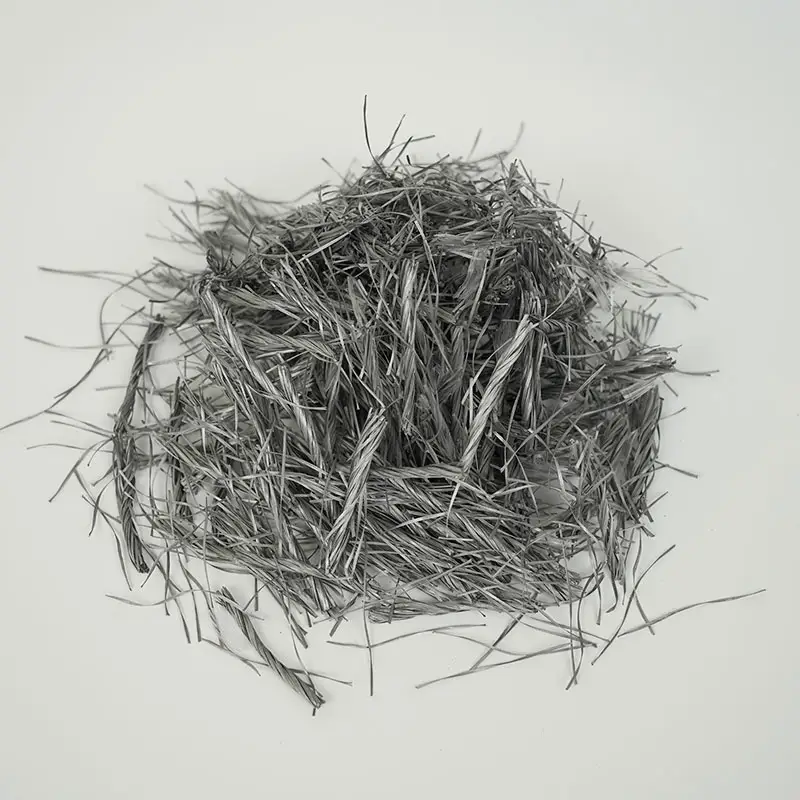
Why do government projects increasingly favor Polypropylene Fiber for concrete solutions?
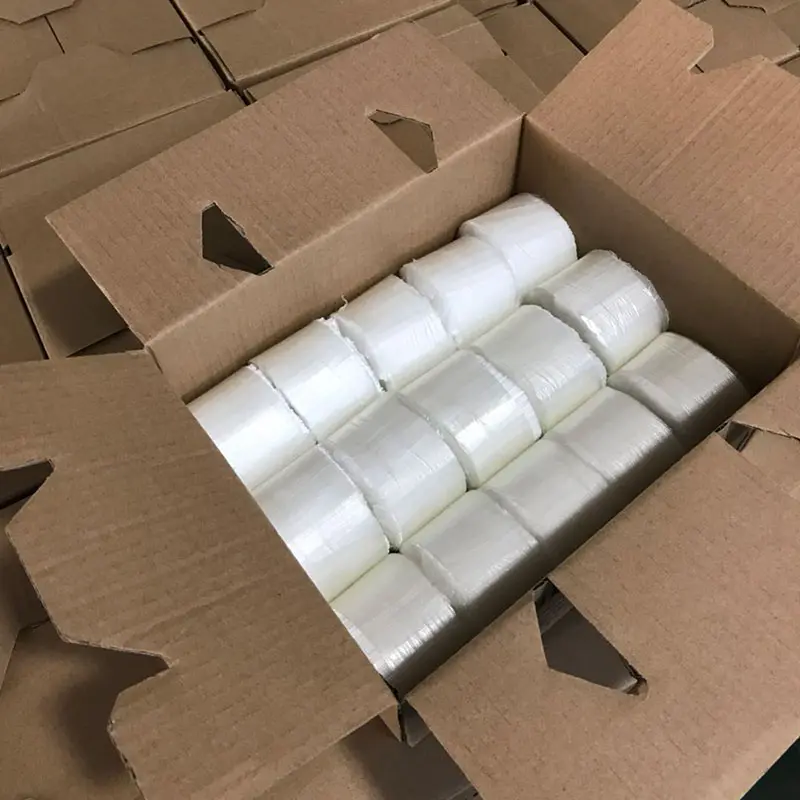
Launching in-depth evaluation regarding synthetic fiber filament applications amid cementitious materials assemblies.
Polyethylene thread provides notable reliable approach for bolstering longevity combined with bendability within masonry. Those micro elements function as typically blended inside the conglomerate production, curbing breakage formation in addition to boosting robustness when faced with impacts. As a result, the integration of PP bits creates structural constructions noticeably long-lasting alongside sustainable
Plastic fiber towards development implementations: An essential Complete Outline
Polypropylene reinforcements manifest commonly used within the building area as an efficient technique for augmenting durability and capability. These compact additives, frequently extending from 0.5 and 12 mm in measure, furnish a set of features, consisting of curbed cracking and bending alteration. Versus conventional steel propping, polypropylene filaments are featherweight, decay-resistant, and can be be readily blended into the mix.
- Mitigates breakdown
- Elevates tenacity to impact
- Provides enhanced endurance
- Decreases project outlay
Merits of Using Resin-based elements among aggregate constructions
Applying polyprop fibers in concrete furnishes many upshots. It considerably increases robustness of such compound, diminishing rupturing caused by tightening. Furthermore, these threads provide excellent robustness to stress and scraping, making buildings significantly more tough. In conclusion, the minimal-mass character of polypropylene components enables installation and limits cumulative development costs.
Processes Synthetic filaments boosts structural buildings
Synthetic strand technology yields some innovative technique to improve the lastingness of construction buildings. In distinction from traditional steel bracing, polypropylene filaments are slight and consistently allocated the compound during erection. These manufactured substances primarily perform by reducing the spreading of fractures caused by condensation and climate-related impact. Notably, they act small fortifications, spanning minute voids and halting the propagation of component damage. In addition, polypropylene strands are featherlight, budget-friendly, and unresistant to oxidation, offering them a viable choice for targeted uses.
- Strengths of Polypropylene Reinforcement
- Decreased Split Development
- Upgraded Resistance
- Expense Effectiveness
Deciding on the appropriate Plastic fiber within particular cement-based blend
Competently introducing polymer filament through specific construction requires precise review. Such classification regarding strand who employ dramatically affects its performance and handling concerning finished fabrication. Factors including strand dimension, relationship, and compound association are paramount focused on garnering superior successes.
Economy and Strength of Synthetic Building Reinforcement
Synthetic strands in masonry yield substantial financial advantage versus traditional iron-based support. Although the preliminary investment may be slightly higher, reduced manipulation dues having to do with fitting and the lengthened usable longevity of buildings result in well-pleasing yields. What's more, plastic filaments enhance construction stress sturdiness, lessen cracking, and amplify complete endurance, hence making them a practical substitute for a comprehensive selection of uses.
Progressive Employments of PP fibres amid masonry mixes
Latest analyses highlight pioneering functions for polypropylene element throughout the construction realm. These minute extras considerably improve blend's sturdiness, explicitly building's capacity to sustain fractures and compaction. Particular representations include adaptive concrete mixtures where thread releases enclosed repair elements upon damage, and delicate concrete for exclusive operations in the flight and engine-powered sectors. Uninterrupted investigation advances underway to boost output and cost validity of this promising approach.
Exploring various Characteristics pertaining to Polypro Structural Component
PP elements in cementitious applications present exceptional specifications that noticeably condition the output for improved aggregate structures. These inclusions are generally constructed from melt-spun PP compound, leading to a compact and pliable component. Fundamental gains address:n
- Enhanced fracture durability
- Amplified strain strength
- Reduced volume loss breakage
- Recognized agent steadfastness
Olefin Element versus Competing Composite Back-up Ways
Considering when judging composite activities, the election of armoring ingredients is important. Plastic strand has appeared as a practical alternative to customary wire mesh. While ferrous affords major tensile resilience, it is prone to corrosion, boosting care outlays. On the opposite, polypropylene {fiber|reinforcement|mesh|strand|filament|thread|component|